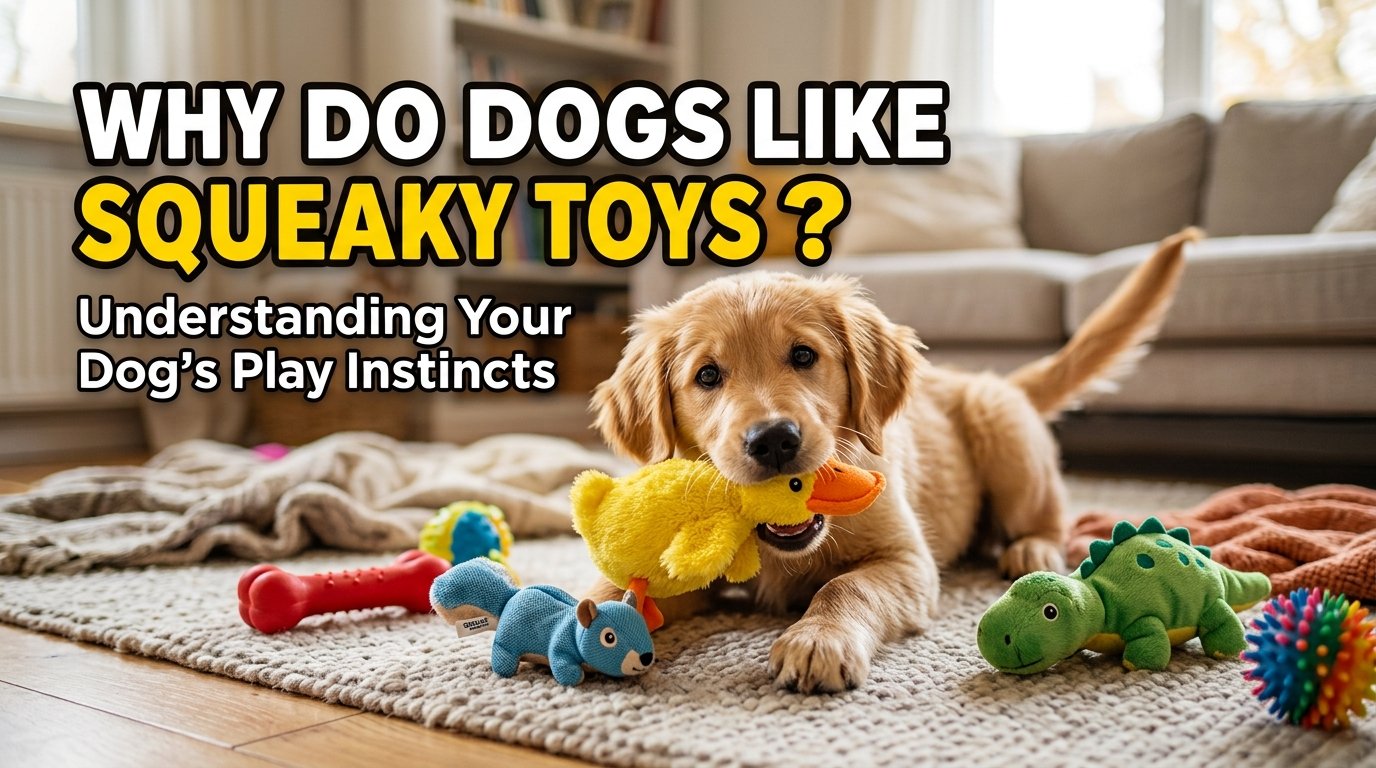
Dog toys are much more than entertainment. The right toy helps keep your dog mentally stimulated, physically active, and emotionally satisfied while reducing boredom and unwanted behaviors. Whether you have an energetic puppy that loves to chew, an active adult dog that enjoys fetch, or a senior dog that prefers gentle play, choosing the appropriate toy can improve your dog’s overall quality of life.
With thousands of dog toys available online and in pet stores, selecting the right one can feel overwhelming. Some toys are designed for aggressive chewers, while others encourage problem-solving, slow down fast eaters, or provide comfort during quiet time. Understanding your dog’s age, size, chewing style, and activity level is the key to making a safe and beneficial choice.
When I introduced puzzle toys to a young Labrador in our family, I noticed a significant change in his daily routine. Instead of chewing furniture during quiet afternoons, he spent time solving food puzzles and interacting with enrichment toys. That experience highlighted how mental stimulation can be just as important as physical exercise for many dogs.
In this comprehensive Dog Toys guide, you’ll learn about the different types of dog toys, their benefits, how to choose the safest option for your dog’s life stage, and what features to look for before making a purchase.
Quick Answer On Dog Toys Guide
The best dog toy depends on your dog’s age, size, chewing strength, and play style.
- Puppies benefit from soft chew toys and teething toys.
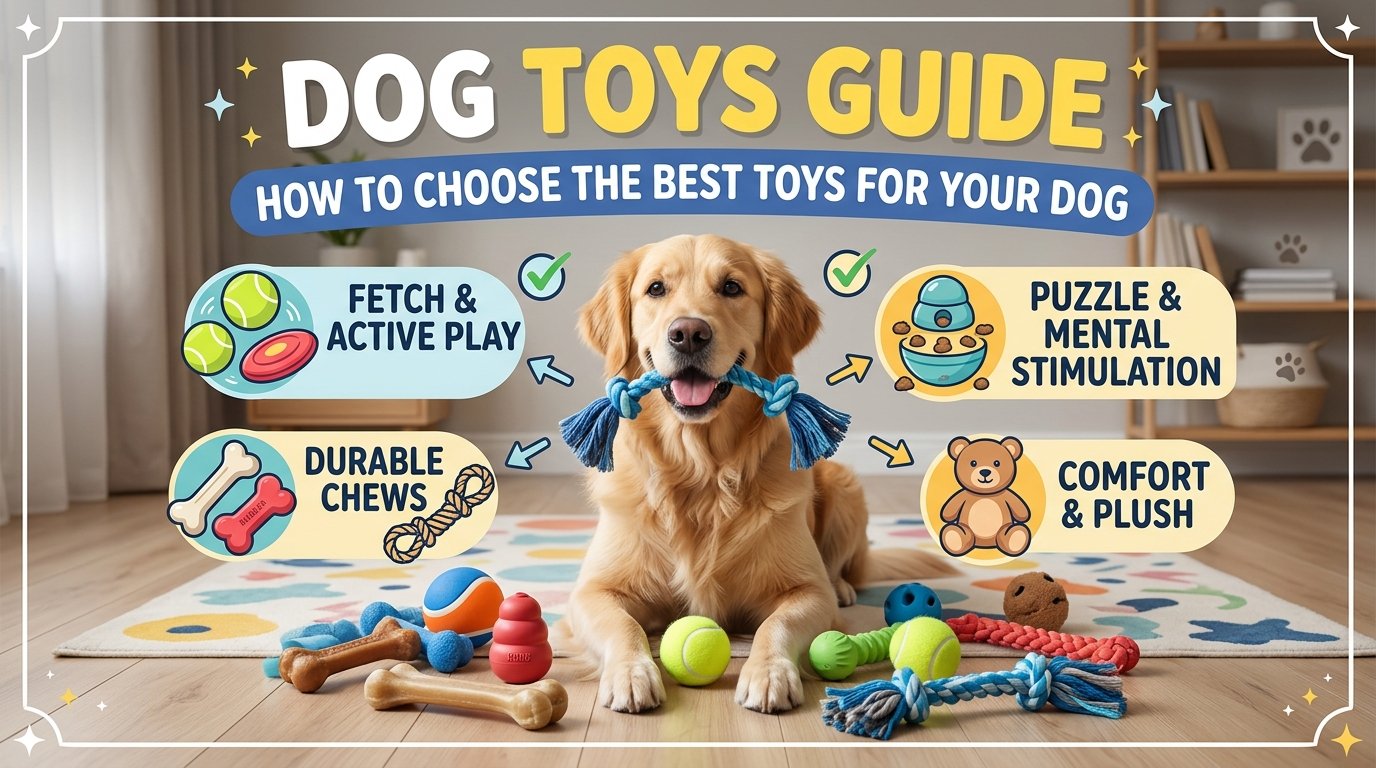
- Adult dogs enjoy interactive, fetch, tug, and enrichment toys.
- Senior dogs often prefer softer toys that are gentle on aging teeth.
- Aggressive chewers need durable rubber or heavy-duty chew toys designed for powerful jaws.
Always choose toys made from non-toxic materials, inspect them regularly for damage, and replace worn toys to reduce the risk of choking or swallowing broken pieces.
Why Dogs Need Toys
Play is a natural behavior for dogs. Toys help satisfy instincts such as chewing, chasing, carrying, searching, and problem-solving.
Without appropriate outlets, dogs may direct these natural behaviors toward:
- Furniture
- Shoes
- Clothing
- Household items
- Excessive barking
- Digging
- Destructive chewing
Providing suitable toys helps channel your dog’s energy into safe and rewarding activities.
Benefits of Dog Toys
Choosing appropriate toys offers much more than simple entertainment.
1. Mental Stimulation
Interactive and puzzle toys encourage dogs to think, solve problems, and stay mentally engaged.
Mental exercise can help reduce boredom, especially for intelligent breeds such as:
- Border Collies
- German Shepherds
- Poodles
- Australian Shepherds
- Belgian Malinois
2. Physical Exercise
Many toys encourage movement through activities like:
- Fetch
- Tug-of-war
- Chasing
- Running
- Jumping
Regular activity supports:
- Healthy weight
- Muscle tone
- Joint mobility
- Cardiovascular health
3. Healthy Chewing
Chewing is a normal canine behavior.
Appropriate chew toys can help redirect chewing away from inappropriate household items.
Puppies especially benefit from chew toys during the teething stage.
4. Reduces Boredom
Dogs left alone for long periods often become bored.
Enrichment toys can help occupy your dog while you’re working or away from home.
Examples include:
- Puzzle toys
- Treat-dispensing toys
- Stuffable rubber toys
5. Strengthens the Human-Dog Bond
Interactive games like fetch and tug provide opportunities for positive social interaction and training while strengthening your relationship with your dog.
Types of Dog Toys
Different toys serve different purposes. Understanding each category helps you build a well-rounded toy collection.
Chew Toys
Chew toys are designed to satisfy your dog’s natural urge to chew.
They are especially useful for:
- Puppies during teething
- Moderate chewers
- Powerful chewers (when using heavy-duty products)
Common materials include:
- Natural rubber
- Nylon (for supervised use)
- Durable synthetic materials
Benefits:
- Keeps dogs occupied
- Redirects destructive chewing
- Provides mental enrichment
Always choose a chew toy appropriate for your dog’s chewing strength.
Interactive Toys
Interactive toys encourage dogs to actively engage with the toy instead of simply chewing it.
Examples include:
- Treat-dispensing toys
- Rolling toys
- Moving toys
- Electronic interactive toys
Benefits:
- Mental stimulation
- Longer play sessions
- Reduced boredom
Puzzle Toys
Puzzle toys challenge dogs to solve problems before accessing treats or kibble.
These toys help:
- Slow fast eaters
- Improve cognitive stimulation
- Increase confidence
- Reduce boredom
Puzzle toys are particularly beneficial for intelligent breeds that require additional mental exercise.
Fetch Toys
Fetch toys are designed for retrieving games.
Common options include:
- Balls
- Flying discs
- Foam bumpers
- Floating toys for water play
Fetch encourages exercise while strengthening recall training.
Choose toys that are appropriately sized to reduce choking hazards.
Tug Toys
Tug toys are intended for interactive play between dogs and their owners.
Many tug toys are made from:
- Durable rope
- Reinforced fabric
- Rubber
When played appropriately, tug games can provide excellent physical exercise and strengthen engagement with your dog.
Plush Toys
Soft plush toys are popular with many dogs because they are comfortable to carry and cuddle.
They are generally best suited for:
- Gentle chewers
- Small breeds
- Senior dogs
Dogs that aggressively destroy plush toys should be supervised to prevent swallowing stuffing or squeakers.
Rope Toys
Rope toys are commonly used for:
- Tug games
- Fetch
- Light chewing
Inspect rope toys regularly because frayed fibers may be swallowed if heavily damaged.
Replace rope toys when they begin to unravel.
Rubber Toys
High-quality rubber toys are among the most versatile dog toys available.
Many can be:
- Stuffed with treats
- Frozen for longer-lasting enrichment
- Used for fetch
- Used for chewing
Natural rubber toys are often recommended for moderate to strong chewers because they combine durability with flexibility.
How to Choose Dog Toys by Age
A dog’s play preferences change throughout life.
Puppies
Puppies benefit from toys that support:
- Teething
- Gentle chewing
- Confidence building
- Exploration
- Early training
Soft rubber toys and appropriately sized puppy toys are often excellent choices.
Adult Dogs
Healthy adult dogs usually enjoy a wider variety of toys, including:
- Interactive toys
- Fetch toys
- Tug toys
- Puzzle toys
- Durable chew toys
Rotate toys regularly to maintain your dog’s interest.
Senior Dogs
Older dogs may develop dental sensitivity or reduced mobility.
Look for toys that are:
- Softer
- Lightweight
- Easy to grip
- Gentle on aging teeth
Mental enrichment remains valuable for senior dogs even if their physical activity decreases.
How to Choose Dog Toys by Size
Choosing the correct toy size is essential for safety.
Small Dogs
Look for lightweight toys that are easy to carry and sized appropriately for smaller mouths.
Examples:
- Chihuahua
- Yorkshire Terrier
- Maltese
- Pomeranian
Medium Dogs
Medium breeds often enjoy a wide variety of toy types, including fetch balls, rope toys, and interactive puzzles.
Examples:
- Border Collie
- Cocker Spaniel
- Australian Shepherd
Large Dogs
Large breeds require larger, more durable toys designed to withstand stronger jaws.
Examples:
- Labrador Retriever
- Golden Retriever
- German Shepherd
- Rottweiler
Avoid toys that are small enough to become choking hazards.
Dog Toy Safety Basics
No toy is completely indestructible.
Follow these important safety recommendations:
- Choose toys appropriate for your dog’s size and chewing style.
- Inspect toys before and after play.
- Replace damaged toys immediately.
- Supervise dogs using new toys.
- Remove loose pieces that could become choking hazards.
- Clean toys regularly according to the manufacturer’s instructions.
- Avoid toys with sharp edges or easily removable parts.
Remember that the safest toy is one that matches your dog’s individual needs and is used under appropriate supervision.
Best Dog Toys for Puppies
Puppies learn about the world through their mouths. During the teething stage, chewing helps relieve discomfort while supporting healthy jaw development. Providing appropriate toys can also redirect chewing away from shoes, furniture, and other household items.
Features to Look For
Choose puppy toys that are:
- Soft but durable
- Lightweight
- Sized appropriately for your puppy’s mouth
- Made from non-toxic materials
- Easy to clean
Avoid toys that are too hard, as they may damage developing teeth.
Recommended Toy Categories
- Puppy teething toys
- Soft rubber chew toys
- Small treat-dispensing toys
- Lightweight balls
- Soft plush toys (under supervision)
Pair appropriate toys with a healthy routine by reading our Puppy Feeding Schedule and Best Dog Food for Puppies guides.
Best Dog Toys for Adult Dogs
Healthy adult dogs usually enjoy a wider variety of activities and benefit from toys that encourage both physical exercise and mental stimulation.
A balanced toy collection may include:
- Interactive puzzle toys
- Fetch balls
- Flying discs
- Tug ropes
- Durable rubber chew toys
- Food-dispensing enrichment toys
Rotating toys every few days helps maintain interest and prevents boredom.
Best Dog Toys for Senior Dogs
Senior dogs still need mental enrichment, but aging joints and teeth often require gentler play.
Good Choices for Older Dogs
- Soft rubber toys
- Plush toys
- Lightweight balls
- Gentle puzzle feeders
- Easy-to-grip enrichment toys
Avoid extremely hard chew toys if your senior dog has dental disease or missing teeth.
Regular play sessions, even if shorter, can help maintain cognitive function and strengthen the bond between you and your dog.
Best Dog Toys for Aggressive Chewers
Some breeds naturally have powerful jaws and enjoy prolonged chewing sessions.
Examples include:
- Rottweiler
- German Shepherd
- American Pit Bull Terrier
- Labrador Retriever
- Boxer
- Belgian Malinois
These dogs require toys specifically designed for heavy chewing.
Features to Look For
- Thick natural rubber
- Heavy-duty construction
- One-piece designs
- Minimal seams
- No easily removable parts
Always supervise powerful chewers and inspect toys regularly for signs of damage.
Even toys marketed as “indestructible” should be replaced once they begin to break apart.
Interactive Dog Toys
Interactive toys encourage dogs to think, move, and engage with their environment instead of simply chewing.
Examples include:
- Treat-dispensing toys
- Rolling puzzle toys
- Electronic interactive toys
- Motion-activated toys
Benefits
- Reduces boredom
- Provides mental stimulation
- Encourages independent play
- Helps reduce destructive behaviors
- Extends mealtime when used with kibble
Interactive toys are particularly useful for intelligent breeds and dogs that spend part of the day alone.
Puzzle Toys
Puzzle toys challenge dogs to solve problems before receiving a reward.
These toys come in different difficulty levels, allowing owners to gradually increase the challenge as their dog learns.
Benefits
- Supports cognitive development
- Builds confidence
- Slows fast eaters
- Provides enrichment during indoor days
For beginners, choose simple puzzles before progressing to advanced designs.
Fetch Toys
Fetch is one of the easiest ways to provide daily exercise while reinforcing recall training.
Popular fetch toys include:
- Rubber balls
- Foam balls
- Flying discs
- Floating water toys
- Retrieval bumpers
Safety Tips
- Use toys large enough to prevent choking.
- Replace cracked or damaged balls immediately.
- Avoid throwing toys onto hard surfaces repeatedly if your dog has joint issues.
Tug Toys
Tug games can be both fun and educational when played appropriately.
Benefits include:
- Physical exercise
- Mental engagement
- Impulse control training
- Strengthening the owner-dog bond
Safe Tug Rules
- Use toys designed specifically for tugging.
- Let your dog win occasionally to keep the game enjoyable.
- Stop immediately if the toy becomes damaged.
- Avoid aggressive jerking motions that could strain your dog’s neck.
Plush Toys
Many dogs enjoy carrying plush toys or sleeping with them.
Plush toys are often best for:
- Gentle chewers
- Small breeds
- Puppies (under supervision)
- Senior dogs
Dogs that frequently destroy plush toys should be monitored closely to prevent swallowing stuffing, fabric, or squeakers.
Rope Toys
Rope toys are versatile and suitable for:
- Tug games
- Fetch
- Moderate chewing
Some owners believe rope fibers help clean teeth, but rope toys should not replace regular tooth brushing or professional dental care.
Discard rope toys once they become heavily frayed, as swallowed fibers may pose a digestive risk.
Rubber Toys
High-quality natural rubber toys are among the most durable and versatile options available.
Many rubber toys can be:
- Stuffed with treats
- Filled with wet food
- Frozen for longer-lasting enrichment
- Used for fetch
- Used for chewing
Because of their durability and flexibility, rubber toys are often recommended by veterinarians for many dogs, especially moderate chewers.
Rotating Dog Toys
Dogs can lose interest if the same toys are available every day.
Instead of leaving every toy out at once:
- Keep several toys stored away.
- Rotate them every few days.
- Introduce a “new” toy from storage to renew your dog’s interest.
Toy rotation provides mental stimulation without constantly purchasing new products.
How Often Should You Replace Dog Toys?
Even durable toys eventually wear out.
Replace a toy immediately if you notice:
- Cracks
- Loose pieces
- Torn fabric
- Missing stuffing
- Broken squeakers
- Sharp edges
- Excessive wear
As a general guideline:
| Toy Type | Replace When… |
|---|---|
| Plush Toys | Torn or stuffing exposed |
| Rope Toys | Heavily frayed or unraveling |
| Rubber Toys | Cracked, split, or missing chunks |
| Balls | Cracked, flattened, or damaged |
| Puzzle Toys | Broken pieces or no longer functioning safely |
Regular inspection is the best way to keep playtime safe.
How to Clean Dog Toys
Cleaning your dog’s toys regularly helps reduce the buildup of saliva, dirt, food residue, and bacteria. A clean toy is not only more hygienic but also lasts longer and remains safer for your dog.
Rubber Toys
Most rubber toys can be washed using:
- Warm water
- Mild dish soap
- A soft brush for crevices
Rinse thoroughly and allow them to air dry completely before giving them back to your dog.
Plush Toys
Many plush toys are machine washable, but always check the manufacturer’s care instructions first.
- Wash on a gentle cycle.
- Use a pet-safe, fragrance-free detergent if possible.
- Air dry or tumble dry on low heat if recommended.
Discard plush toys if seams split or stuffing becomes exposed.
Rope Toys
Rope toys can trap moisture and bacteria.
Wash them regularly using warm water and mild soap, then allow them to dry completely.
Replace rope toys once they become heavily frayed.
Food-Dispensing and Puzzle Toys
Treat-dispensing toys should be cleaned after every use to prevent mold and bacterial growth.
Pay special attention to small openings where food residue can collect.
Unsafe Dog Toys to Avoid
Not every toy marketed for dogs is appropriate for every pet.
Avoid toys that:
- Are too small for your dog’s mouth.
- Break into sharp pieces.
- Contain loose buttons, beads, or decorations.
- Have easily removable squeakers or batteries.
- Are made from poor-quality or unknown materials.
- Show significant wear or damage.
Household objects such as old socks, children’s toys, or plastic bottles should not replace properly designed dog toys, as they may present choking or ingestion hazards.
Common Mistakes When Buying Dog Toys
Choosing the wrong toy can reduce your dog’s enjoyment and increase safety risks.
Avoid these common mistakes.
Buying the Wrong Size
A toy that is too small may become a choking hazard, while one that is too large may be difficult for your dog to carry or play with.
Always choose toys appropriate for your dog’s size and breed.Ignoring Chewing Strength
A toy suitable for a gentle Chihuahua may last only minutes with a powerful Rottweiler or German Shepherd.
Select toys designed for your dog’s chewing habits rather than appearance alone.
Choosing Toys Based Only on Price
The least expensive toy is not always the best value.
Higher-quality toys often last longer, provide better enrichment, and improve safety.
Leaving Damaged Toys Available
Inspect toys frequently and replace them when they show signs of wear.
Broken toys increase the risk of choking and accidental ingestion.
Forgetting Mental Enrichment
Many owners focus only on physical exercise.
Interactive toys, puzzle feeders, and treat-dispensing toys provide valuable mental stimulation that can help reduce boredom and unwanted behaviors.
Frequently Asked Questions
What type of toy is best for dogs?
The best toy depends on your dog’s age, size, chewing strength, and play style. Most dogs benefit from a combination of chew toys, interactive toys, puzzle toys, and fetch toys.
Are rubber toys safe for dogs?
High-quality rubber toys made by reputable manufacturers are generally considered safe when appropriately sized and used under supervision.
Replace them if cracks, tears, or missing pieces develop.
How many toys should a dog have?
Most dogs benefit from having 5–10 toys that are rotated regularly.
Toy rotation helps keep playtime interesting while reducing boredom.
How often should I replace dog toys?
Replace toys immediately if they become damaged, cracked, heavily frayed, or have loose parts that could become choking hazards.
Do dogs need puzzle toys?
Puzzle toys provide mental stimulation and enrichment, making them especially useful for intelligent breeds and dogs that spend time alone during the day.
Can puppies use adult dog toys?
Not always.
Puppies should use toys specifically designed for their size, chewing strength, and developing teeth.
Adult toys that are too hard or too large may not be suitable.
Amazon Dog Toy Categories Worth Considering
When shopping for dog toys, consider products in these categories from trusted manufacturers with strong safety and quality standards:
Puppy Toys
Look for:
- Soft rubber teething toys
- Small chew toys
- Beginner puzzle toys
Interactive Toys
Ideal for:
- Intelligent breeds
- Dogs left home alone
- Bored dogs needing mental stimulation
Heavy-Duty Chew Toys
Suitable for:
- Aggressive chewers
- Large breeds
- High-energy dogs
Fetch Toys
Popular options include:
- Rubber balls
- Floating toys
- Flying discs
- Retrieval bumpers
Puzzle Feeders
Great for:
- Slowing fast eaters
- Indoor enrichment
- Mealtime mental stimulation
When selecting affiliate products, prioritize durability, safety certifications, customer reviews, and appropriate sizing over marketing claims.
How We Researched This Guide
This guide was created using evidence-based recommendations from veterinary organizations, canine behavior resources, and pet safety guidelines.
Our review included:
- Canine play behavior
- Environmental enrichment
- Toy safety recommendations
- Life-stage needs
- Chewing behavior
- Mental stimulation
- Physical exercise requirements
Our goal is to provide practical, balanced advice that helps dog owners choose toys that are safe, durable, and appropriate for their dog’s individual needs.
Trusted References
The information in this guide is based on educational resources from respected veterinary and animal welfare organizations, including:
- American Veterinary Medical Association (AVMA) – Pet Care Resources
- American Animal Hospital Association (AAHA) – Preventive Care Guidelines
- World Small Animal Veterinary Association (WSAVA) – Global Pet Care Resources
- Merck Veterinary Manual – Canine Behavior and Enrichment
- Cornell University College of Veterinary Medicine
- Tufts University Cummings School of Veterinary Medicine
- Association of Professional Dog Trainers (APDT) – Enrichment and Training Resources
Related Articles
Continue learning with these helpful guides:
- Ultimate Dog Food Guide
- Dog Feeding Schedule by Age
- Wet vs. Dry Dog Food
- How to Rehydrate a Dog Safely
- How Does a Dog Act When They’re Dehydrated?
- How to Groom a Dog at Home
- Best Dog Beds (Future article)
- Best Dog Crates (Future article)
Final Verdict
Dog toys are far more than simple accessories—they play an essential role in your dog’s physical health, mental stimulation, and emotional well-being. The right toy encourages healthy chewing habits, reduces boredom, supports training, and strengthens the bond between you and your pet.
Rather than choosing toys based on appearance or popularity, focus on your dog’s age, size, chewing strength, activity level, and individual personality. A combination of chew toys, puzzle toys, interactive toys, and fetch toys often provides the best balance of exercise and enrichment.
Remember to inspect toys regularly, replace damaged items promptly, rotate toys to keep play exciting, and always supervise play when introducing a new toy. By selecting safe, high-quality toys that suit your dog’s needs, you’ll help create a happier, healthier, and more engaged companion for years to come.
Editorial Disclaimer
This article is intended for educational purposes only and should not replace advice from a licensed veterinarian or qualified animal behavior professional.
Always supervise your dog during play, especially when introducing a new toy. If your dog swallows part of a toy, begins choking, or shows signs of distress, seek immediate veterinary care.