Quick Answer
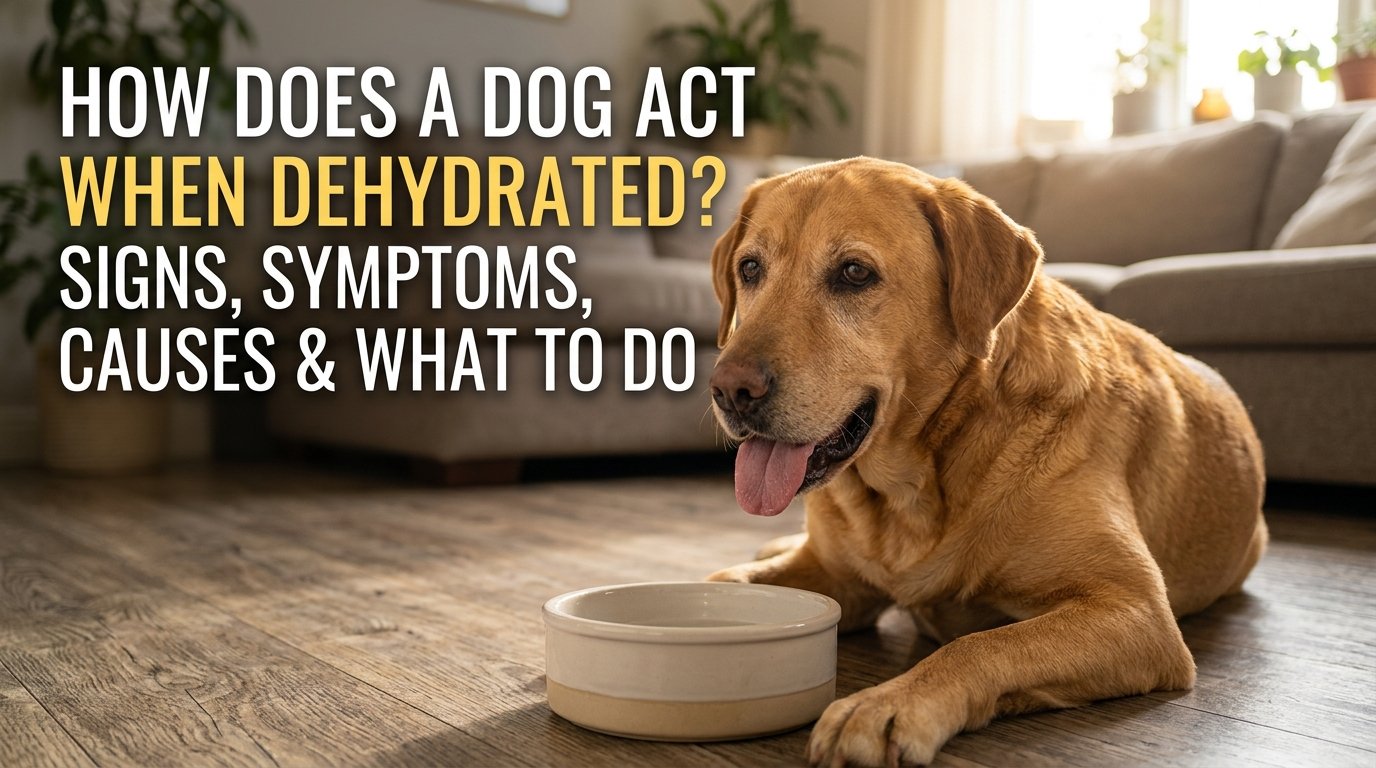
A dehydrated dog may appear lethargic, tired, weak, or less interested in food and play. Other common signs include dry or sticky gums, excessive panting, sunken eyes, loss of skin elasticity, thick saliva, and reduced urination. Mild dehydration may improve with increased water intake under close observation, but moderate to severe dehydration requires prompt veterinary attention because it can quickly become life-threatening.
How Does a Dog Act When They’re Dehydrated?
Water is essential for nearly every function in your dog’s body. It helps regulate body temperature, transport nutrients, support digestion, lubricate joints, and keep organs functioning properly. Even a small loss of body water can affect how your dog feels and behaves.
Many owners first notice dehydration through changes in behavior rather than obvious physical symptoms. A normally energetic dog may become unusually quiet, sleep more than usual, refuse treats, or seem unwilling to exercise.
When my own family dog spent an afternoon playing outside during a particularly hot summer day, we noticed he wasn’t chasing his favorite ball with the same enthusiasm. He was panting heavily, resting frequently, and his gums felt tacky instead of moist. Offering cool, fresh water and moving him into a shaded area helped, but the experience reinforced how quickly dogs can become dehydrated—especially in warm weather.
Recognizing these early signs allows you to respond before dehydration becomes an emergency.
What Is Dehydration?
Dehydration occurs when a dog loses more fluids than it takes in. As water levels drop, the body also loses important electrolytes that help muscles, nerves, and organs function normally.
Without enough fluids, blood circulation becomes less efficient, making it harder to deliver oxygen and nutrients throughout the body. Severe dehydration can lead to heatstroke, shock, and organ failure if left untreated.
Common Signs of Dehydration in Dogs
Every dog is different, but these are some of the most common symptoms owners notice.
Early Signs
- Increased thirst
- Dry or sticky gums
- Thick saliva
- Mild tiredness
- Reduced interest in playing
- Slight loss of appetite
- Panting more than usual
Moderate Signs
- Lethargy
- Sunken eyes
- Reduced skin elasticity
- Dark yellow urine
- Less frequent urination
- Weakness
- Faster heart rate
Severe Signs
- Collapse
- Difficulty standing
- Confusion or disorientation
- Pale gums
- Cold extremities
- Rapid breathing
- Loss of consciousness
Important: Severe dehydration is a medical emergency. Contact your veterinarian immediately if your dog collapses, cannot stand, or shows signs of shock.
Dehydration Severity Chart
| Severity | Common Signs | Recommended Action |
|---|---|---|
| Mild | Increased thirst, slightly dry gums, mild tiredness | Encourage drinking and monitor closely |
| Moderate | Lethargy, sticky gums, sunken eyes, reduced urination | Contact your veterinarian the same day |
| Severe | Collapse, pale gums, confusion, inability to stand | Seek emergency veterinary care immediately |
Why Do Dogs Become Dehydrated?
Although hot weather is one of the most common causes, dehydration can happen for many reasons.
1. Hot Weather
Dogs cool themselves mainly through panting. During hot or humid conditions, they lose water rapidly and need frequent access to fresh drinking water.
2. Exercise
Long walks, hiking, agility training, or playing fetch can increase fluid loss, especially if breaks for water are limited.
3. Vomiting or Diarrhea
Digestive illness can quickly cause significant fluid loss, particularly in puppies and senior dogs.
4. Fever or Illness
Infections and certain medical conditions may increase water requirements or reduce a dog’s desire to drink.
5. Not Drinking Enough Water
Some dogs naturally drink less than others. Stress, travel, unfamiliar surroundings, or changes in routine can also reduce water intake.
Puppies Are at Greater Risk
Puppies can become dehydrated much faster than healthy adult dogs because:
- Their bodies contain a higher percentage of water.
- They have smaller fluid reserves.
- They lose fluids more quickly during vomiting or diarrhea.
- Their immune systems are still developing.
If a young puppy refuses water, appears weak, or develops diarrhea, contact your veterinarian promptly.
How to Check if Your Dog Is Dehydrated
While only a veterinarian can accurately determine the severity of dehydration, there are a few simple checks you can perform at home.
1. The Gum Test
Healthy gums should feel smooth and moist.
If your dog’s gums feel sticky, dry, or tacky, dehydration may be developing.
2. The Skin Tent Test
Gently lift the skin over your dog’s shoulders and release it.
Normal
The skin quickly returns to its original position.
Possible Dehydration
If the skin returns slowly or remains “tented” for a few moments, your dog may be dehydrated.
Keep in mind that this test can be less reliable in older dogs or breeds with naturally loose skin.
3. Observe the Eyes
Healthy dogs usually have bright, alert eyes.
Dehydrated dogs may develop:
- Sunken eyes
- Dull appearance
- Reduced alertness
4. Monitor Energy Levels
One of the earliest behavioral changes is reduced energy.
If your normally playful dog suddenly prefers lying down, avoids exercise, or seems unusually quiet, dehydration could be one of several possible causes.
Dogs Most at Risk
Some dogs become dehydrated more easily than others.
Higher-risk groups include:
- Puppies
- Senior dogs
- Pregnant or nursing dogs
- Highly active dogs
- Working dogs
- Flat-faced (brachycephalic) breeds
- Dogs recovering from illness
- Dogs spending extended time outdoors in hot weather
These dogs benefit from closer monitoring and frequent access to clean, fresh water.
When Is Dehydration an Emergency?
Seek immediate veterinary care if your dog:
- Collapses
- Cannot stand
- Stops responding normally
- Has pale or gray gums
- Experiences repeated vomiting or severe diarrhea
- Shows signs of heatstroke
- Refuses water while becoming increasingly weak
Early treatment greatly improves the chances of a full recovery.
What to Do if Your Dog Is Dehydrated
How to Help a Mildly Dehydrated Dog at Home
If your dog is alert, able to drink normally, and only showing mild signs of dehydration, you can often help by encouraging gradual rehydration while monitoring closely.
1. Offer Fresh, Cool Water
Always provide clean, fresh drinking water in a quiet area.
Avoid encouraging your dog to drink a large amount at once, as this may cause vomiting in some cases. Instead, allow your dog to take small drinks frequently.
2. Move Your Dog to a Cool Environment
If dehydration is related to hot weather or exercise:
- Move your dog indoors or into the shade.
- Turn on a fan or air conditioning if available.
- Stop all physical activity.
- Allow your dog to rest.
If your dog appears overheated, cool them gradually using cool (not ice-cold) water while arranging veterinary care if symptoms are severe.
3. Encourage Hydration Through Food
Some dogs are more willing to consume moisture through food than by drinking water.
You can offer:
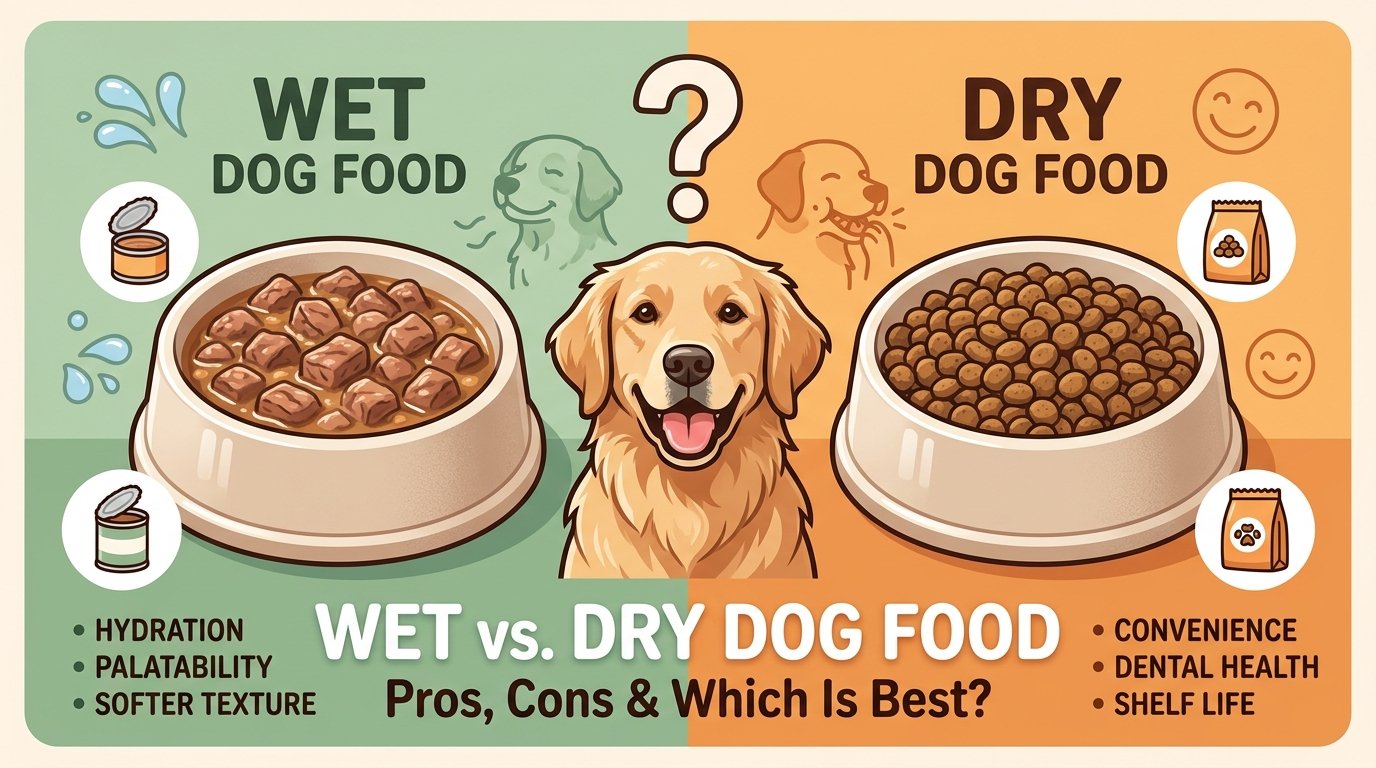
- Wet dog food
- Water mixed into dry kibble
- Low-sodium dog-safe broth (without onion or garlic)
- Ice cubes if your dog enjoys them
Never force-feed water or food.
What NOT to Do
When trying to help a dehydrated dog, avoid these common mistakes.
❌ Do not force water into your dog’s mouth.
❌ Do not give sports drinks made for humans unless your veterinarian specifically recommends them.
❌ Do not use ice-cold water on an overheated dog, as rapid cooling may cause additional problems.
❌ Do not ignore persistent vomiting or diarrhea.
❌ Do not delay veterinary treatment if symptoms worsen.
When Should You Call a Veterinarian?
Even mild dehydration can become serious if the underlying cause is not addressed.
Contact your veterinarian if your dog:
- Refuses to drink for several hours
- Vomits repeatedly
- Has severe or persistent diarrhea
- Appears unusually weak
- Has a fever
- Stops urinating
- Has blood in vomit or stool
- Has existing kidney disease, diabetes, or another chronic illness
Seek emergency veterinary care immediately if your dog:
- Collapses
- Has difficulty standing
- Is confused or unresponsive
- Has pale, blue, or gray gums
- Is suspected of having heatstroke
Prompt treatment may include intravenous (IV) fluids, electrolyte correction, and treatment of the underlying illness.
How Much Water Should a Dog Drink?
Water requirements vary depending on activity level, weather, diet, and overall health.
A general guideline is:
Most healthy dogs need approximately 50–70 mL of water per kilogram of body weight each day (roughly 0.5–1 ounce of water per pound of body weight daily). Dogs eating wet food may drink less because they obtain moisture from their diet.
| Dog Weight | Approximate Daily Water Intake* |
|---|---|
| 5 kg (11 lb) | 250–350 mL |
| 10 kg (22 lb) | 500–700 mL |
| 20 kg (44 lb) | 1.0–1.4 L |
| 30 kg (66 lb) | 1.5–2.1 L |
| 40 kg (88 lb) | 2.0–2.8 L |
*These are general estimates. Individual needs vary.
How to Prevent Dehydration
Preventing dehydration is much easier than treating it.
Always Provide Fresh Water
Wash and refill your dog’s water bowl daily.
If you have multiple dogs or a large home, consider placing several water bowls in different locations.
Carry Water During Walks
Bring a portable water bottle and collapsible bowl when walking, hiking, or traveling.
Avoid Excessive Heat
Exercise during cooler parts of the day, especially in summer.
Avoid hot pavement, which can increase body temperature and burn paw pads.
Feed a Balanced Diet
Dogs eating complete and balanced diets are more likely to maintain proper hydration and overall health.
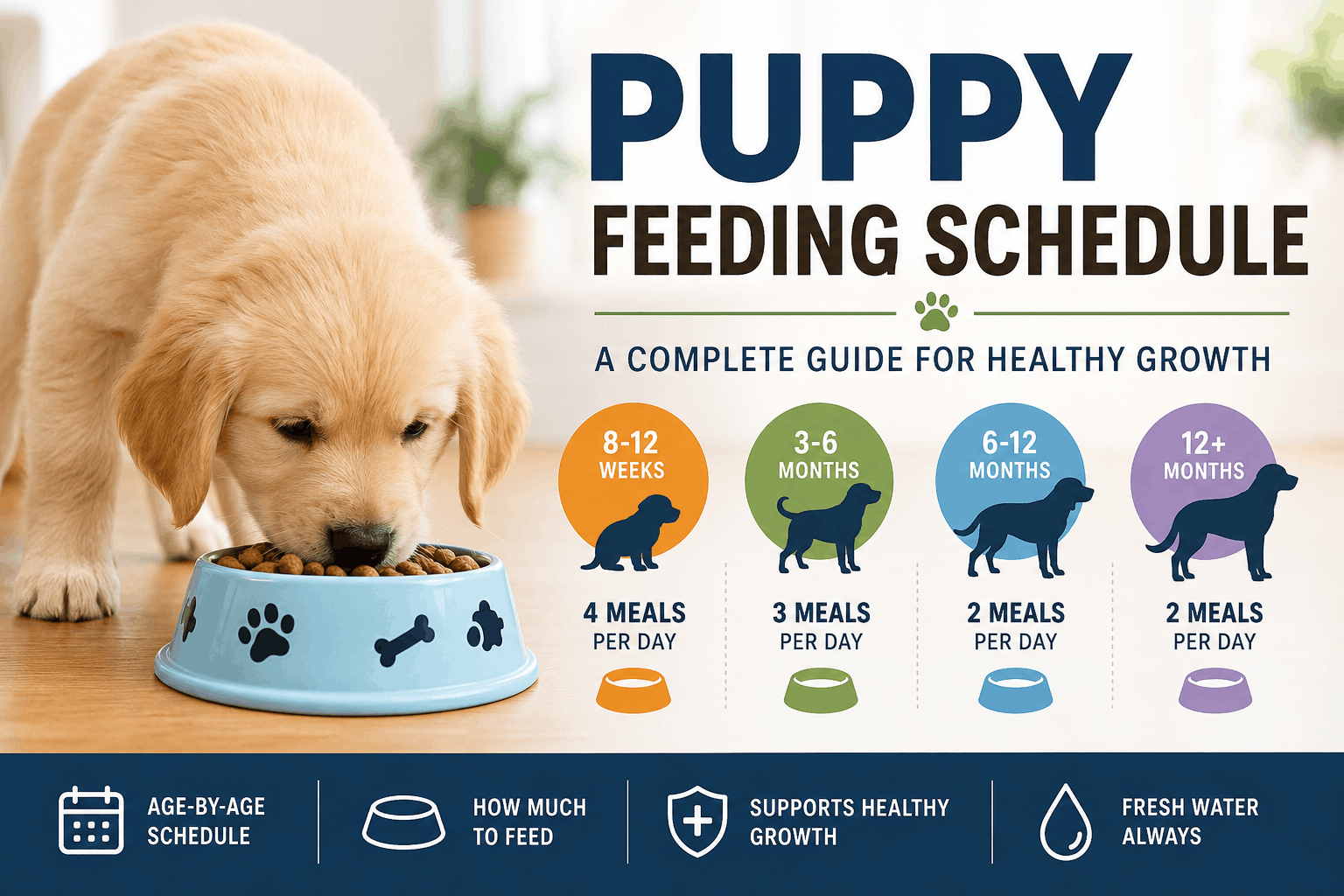
For growing puppies, choosing the right diet is equally important. Read our Best Dog Food for Puppies guide to learn how nutrition supports healthy growth and hydration.
Monitor Senior Dogs
Older dogs may drink less or have medical conditions that affect hydration. Keep an eye on their water intake and discuss any changes with your veterinarian.
Frequently Asked Questions
Can a dog recover from dehydration at home?
Mild dehydration may improve with rest, access to fresh water, and close observation. Moderate to severe dehydration requires veterinary assessment and may need intravenous fluids.
How long does it take for a dog to recover?
Recovery depends on the cause and severity.
Mild dehydration may improve within a few hours after drinking, while severe dehydration can require hospitalization and ongoing treatment.
Can dry food cause dehydration?
Dry kibble does not directly cause dehydration, but dogs eating dry food should always have unrestricted access to fresh drinking water.
Some owners add water to kibble to increase moisture intake.
How can I tell if my puppy is dehydrated?
Puppies may become tired, weak, develop sticky gums, refuse food, or stop playing.
Because puppies can deteriorate quickly, seek veterinary advice promptly if dehydration is suspected.
Should I give my dog electrolyte drinks?
Only use electrolyte products specifically recommended by your veterinarian. Human sports drinks often contain sugar or ingredients that are not appropriate for dogs.
How We Researched This Guide
This article was developed using educational resources and nutritional guidance from respected veterinary organizations and evidence-based references.
We reviewed information related to:
- Canine hydration and fluid balance
- Heat-related illness
- Veterinary emergency recommendations
- Puppy and adult dog care
- Practical home monitoring techniques
Our goal is to provide accurate, easy-to-understand information that helps dog owners recognize dehydration early while encouraging appropriate veterinary care when needed.
Related Articles
Continue learning with these helpful guides:
- Puppy Feeding Schedule
- Why Is My Dog Always Hungry?
- Homemade Dog Food Guide
- How Much Water Should a Dog Drink Every Day? (Recommended future article)
Final Thoughts
Recognizing the early signs of dehydration can make a significant difference in your dog’s health. By paying attention to changes in behavior, checking for physical signs like sticky gums and reduced skin elasticity, and ensuring your dog always has access to fresh water, you can often prevent dehydration from becoming a serious problem.
While many mild cases improve with prompt care at home, never hesitate to contact your veterinarian if your dog appears seriously ill or if symptoms persist. Quick action is the best way to protect your dog’s health and well-being.
References
This guide is based on educational information from trusted veterinary organizations, including:
- World Small Animal Veterinary Association (WSAVA) – Global Nutrition Guidelines
- American Animal Hospital Association (AAHA) – Canine Life Stage Guidelines
- Merck Veterinary Manual – Fluid Therapy and Dehydration in Dogs
- American Veterinary Medical Association (AVMA) – Heat Safety and Pet Health
- Cornell University College of Veterinary Medicine
- VCA Animal Hospitals – Client Education Resources
Editorial Disclaimer
This article is intended for educational purposes only and should not replace advice from a licensed veterinarian. If your dog shows signs of moderate or severe dehydration, heatstroke, persistent vomiting, diarrhea, collapse, or any other medical emergency, seek veterinary care immediately.