Quick Answer On How to Rehydrate a Dog
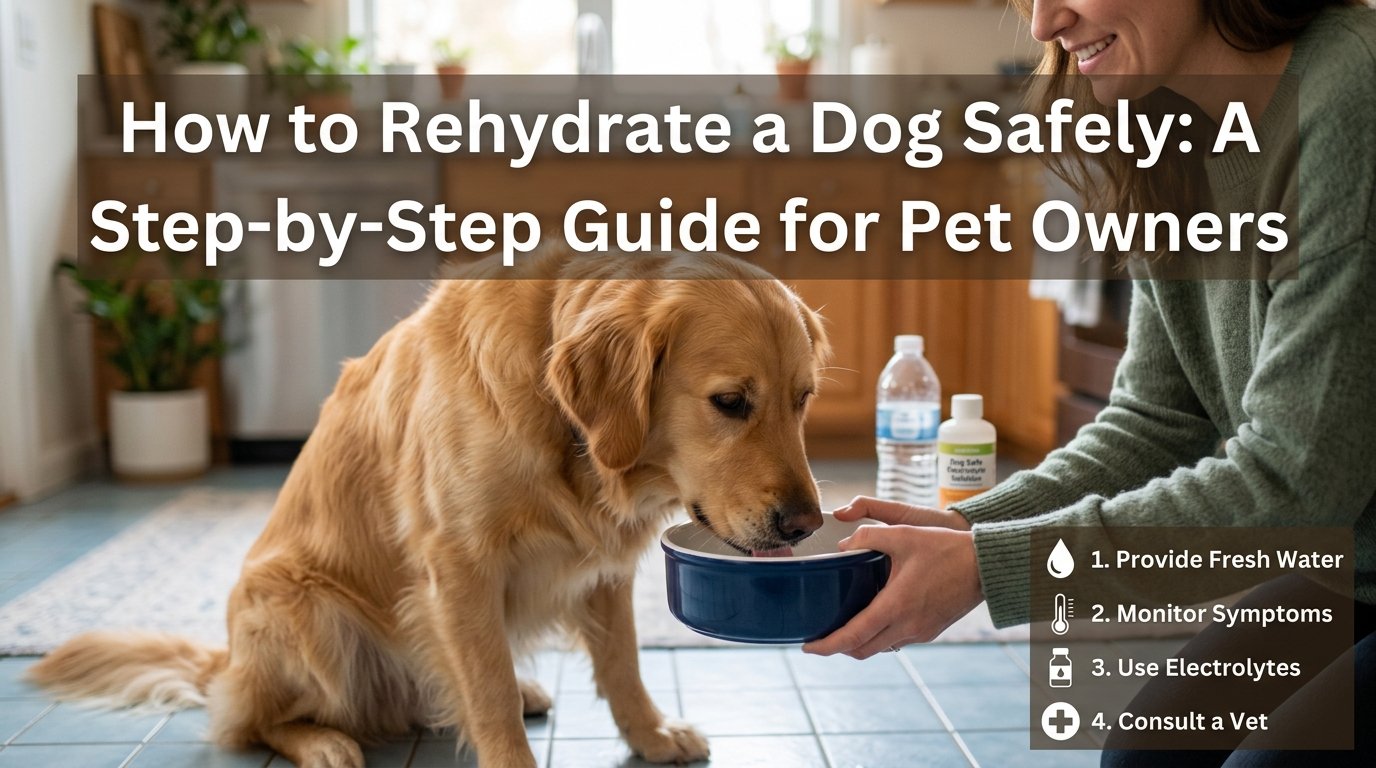
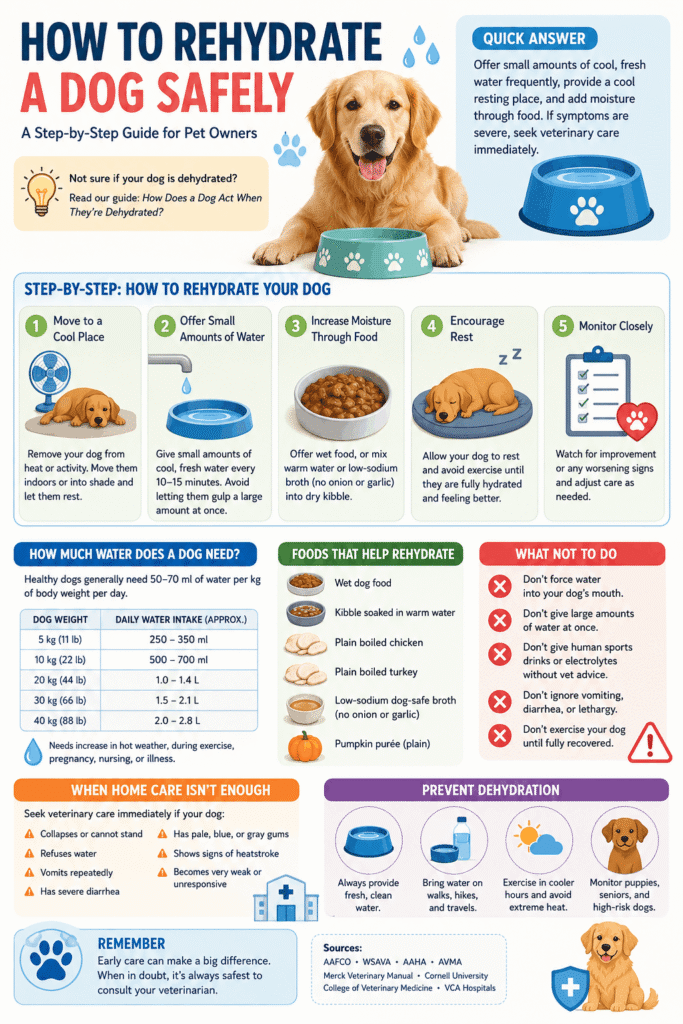
If your dog is mildly dehydrated but alert and able to drink, move them to a cool, quiet place and offer small amounts of fresh, cool water every 10–15 minutes. You can also increase moisture by feeding wet dog food or adding water to dry kibble. If your dog is vomiting repeatedly, collapses, refuses water, or appears severely weak, seek veterinary care immediately, as intravenous (IV) fluids may be necessary.
Important: If you’re unsure whether your dog is actually dehydrated, read our guide on How Does a Dog Act When They’re Dehydrated? before beginning home treatment.
Why Proper Rehydration Matters
Water makes up a large percentage of your dog’s body and is essential for normal organ function. It helps regulate body temperature, transports nutrients, supports digestion, cushions joints, and removes waste products.
When a dog loses more fluids than it replaces, dehydration can develop. Replacing those fluids safely—and at the right pace—is important because drinking too much water too quickly may lead to vomiting, especially if dehydration is caused by illness or heat exhaustion.
The goal is not simply to make your dog drink water but to restore hydration gradually while identifying the reason dehydration occurred in the first place.
Can You Rehydrate a Dog at Home?
Yes—but only in mild cases.
Home care may be appropriate when your dog:
- Is awake and alert
- Can stand and walk normally
- Is willing to drink water
- Has not been vomiting repeatedly
- Does not have severe diarrhea
- Shows no signs of heatstroke or collapse
If any of these conditions are not met, contact your veterinarian instead of relying on home treatment.
Step-by-Step: How to Rehydrate a Dog
Step 1: Move Your Dog to a Cool, Calm Area
Before offering water, remove your dog from the source of dehydration.
If dehydration followed exercise or hot weather:
- Move indoors or into deep shade.
- Stop all physical activity.
- Encourage your dog to rest.
- Use a fan or air conditioning if available.
Allow your dog to calm down before drinking.
Step 2: Offer Small Amounts of Fresh Water
Fresh, cool drinking water is usually the best first choice.
Instead of allowing your dog to gulp an entire bowl, encourage small drinks over time.
A simple guideline is to let your dog drink a little every 10–15 minutes while monitoring for vomiting or discomfort.
This gradual approach is generally easier on the stomach than consuming a large amount all at once.
Step 3: Increase Water Intake Through Food
Some dogs refuse water but will happily eat.
Adding moisture to meals is an excellent way to increase fluid intake.
Good options include:
- Wet dog food
- Dry kibble soaked in warm water
- Plain boiled chicken mixed with water
- Plain boiled turkey
- Low-sodium dog-safe broth (without onion or garlic)
Avoid heavily seasoned foods or broths made for humans unless you have confirmed the ingredients are safe for dogs.
Step 4: Encourage Rest
Physical activity increases fluid loss through panting.
Keep your dog calm until:
- Energy improves
- Normal drinking resumes
- Panting decreases
- Appetite begins to return
Avoid long walks, running, or vigorous play until your dog appears fully recovered.
Can Dogs Drink Electrolytes?
Electrolytes such as sodium and potassium help maintain normal muscle and nerve function.
However, human sports drinks are generally not recommended because they may contain excessive sugar, caffeine, or artificial sweeteners that are unsuitable—or even dangerous—for dogs.
If electrolyte replacement is needed, your veterinarian may recommend a product specifically formulated for pets.
Never give homemade electrolyte mixtures unless instructed by a veterinary professional.
What if My Dog Won’t Drink Water?
Some dogs refuse water because they feel nauseated, are in pain, or are experiencing an underlying illness.
You can try:
- Offering water in a clean bowl.
- Using a different bowl material (some dogs have preferences).
- Providing fresh water instead of water that has been sitting for hours.
- Feeding wet food.
- Adding a small amount of dog-safe broth to encourage drinking.
If your dog continues refusing water for several hours—especially if accompanied by vomiting, diarrhea, weakness, or lethargy—seek veterinary care promptly.
Mistakes to Avoid
When trying to rehydrate your dog, avoid these common errors:
- ❌ Forcing water into your dog’s mouth.
- ❌ Giving large amounts of water at once.
- ❌ Using human sports drinks without veterinary advice.
- ❌ Ignoring ongoing vomiting or diarrhea.
- ❌ Allowing strenuous exercise before recovery.
Proper hydration should always be gradual and monitored carefully.
When Home Care Is Not Enough
Home treatment has limits.
Seek immediate veterinary care if your dog:
- Collapses or cannot stand.
- Refuses all water.
- Vomits repeatedly.
- Has severe diarrhea.
- Has pale, blue, or gray gums.
- Is suspected of having heatstroke.
- Becomes increasingly weak or unresponsive.
Veterinary treatment may include intravenous fluids, electrolyte therapy, blood tests, and treatment of the underlying condition causing dehydration.
How Much Water Should a Dog Drink?
One of the most common questions pet owners ask is how much water their dog actually needs. While every dog is different, a healthy adult dog generally drinks 50–70 mL of water per kilogram of body weight each day (approximately 0.5–1 ounce per pound of body weight). Requirements increase during hot weather, exercise, pregnancy, nursing, or illness.
| Dog Weight | Approximate Daily Water Intake* |
|---|---|
| 5 kg (11 lb) | 250–350 mL |
| 10 kg (22 lb) | 500–700 mL |
| 20 kg (44 lb) | 1.0–1.4 L |
| 30 kg (66 lb) | 1.5–2.1 L |
| 40 kg (88 lb) | 2.0–2.8 L |
These are general guidelines. Individual water needs vary based on diet, activity level, environment, and overall health.
If your dog eats primarily wet food, they may drink less water because canned food contains significantly more moisture than dry kibble.
Foods That Can Help Rehydrate Your Dog
Food can be an excellent way to increase your dog’s fluid intake, especially if they’re reluctant to drink.
Safe, moisture-rich options include:
- Complete and balanced wet dog food
- Dry kibble softened with warm water
- Plain boiled chicken (no seasoning)
- Plain boiled turkey
- Plain cooked lean beef (occasionally)
- Low-sodium dog-safe broth without onion or garlic
- Small amounts of plain pumpkin purée (not pie filling)
Always introduce new foods gradually and avoid ingredients that may upset your dog’s stomach.
How Long Does It Take for a Dog to Rehydrate?
Recovery depends on the severity of dehydration and its underlying cause.
Mild Dehydration
Many dogs begin to improve within a few hours after resting, drinking water, and eating moisture-rich food.
Moderate Dehydration
Dogs may require veterinary evaluation and, in some cases, subcutaneous or intravenous fluids. Recovery often takes 24–48 hours once the underlying cause is treated.
Severe Dehydration
Dogs with severe dehydration may need hospitalization, IV fluids, electrolyte monitoring, and treatment for conditions such as heatstroke, vomiting, diarrhea, or kidney disease.
Preventing Dehydration
The best treatment is prevention. A few simple habits can greatly reduce your dog’s risk of becoming dehydrated.
Always Provide Fresh Water
Wash water bowls daily and refill them with clean, fresh water. During hot weather, check bowls more frequently, as water can warm up quickly or evaporate.
For households where the water bowl needs frequent refilling, a large-capacity automatic water dispenser can make it easier to keep water available throughout the day. The Heouvo 2.5 Gallon Automatic Dog Water Dispenser uses a gravity-fed refill system and has a large 9.5-liter reservoir, so it can be especially convenient for larger dogs, multi-pet homes, or busy pet owners.
One feature I particularly like for a daily hydration setup is the wide-mouth design and removable stainless-steel bowl, because regular cleaning is just as important as keeping water available. The bowl can be removed for cleaning, while the large reservoir reduces how often you need to refill it.
Important: An automatic dispenser does not replace checking your dog’s water. Check the water level and cleanliness regularly and refresh the water as needed.
👉 Check the Heouvo 2.5 Gallon Automatic Dog Water Dispenser on Amazon
Affiliate disclosure: This post may contain affiliate links. If you purchase through a link, I may earn a commission at no additional cost to you.
Carry Water During Outdoor Activities
Whether you’re going for a walk, hiking, or visiting the park, bring a portable water bottle and collapsible bowl so your dog can drink regularly.
Exercise During Cooler Hours
Plan walks early in the morning or later in the evening when temperatures are lower. Avoid strenuous exercise during the hottest part of the day.
Monitor Senior Dogs and Puppies
Young puppies and older dogs are more vulnerable to dehydration because they have different hydration needs and may not regulate their body temperature as efficiently.
Feed a Balanced Diet
A nutritionally complete diet supports overall health, including proper hydration. Dogs eating balanced commercial diets generally receive appropriate levels of nutrients that help maintain normal body function.
Frequently Asked Questions
Can I use a syringe to give my dog water?
Only if your veterinarian specifically recommends it. Forcing water into a dog’s mouth can increase the risk of choking or aspiration, especially if the dog is weak or unable to swallow normally.
Is wet food better than dry food for hydration?
Wet food contains much more moisture than dry kibble and can contribute to your dog’s daily fluid intake. However, both wet and dry foods can be healthy choices when they are complete and balanced.
Can dehydration come back?
Yes. If the underlying cause—such as illness, overheating, or inadequate water intake—is not addressed, dehydration can recur. Repeated episodes should always be evaluated by a veterinarian.
Can dogs drink ice water?
Cool water is generally safe for most healthy dogs. Avoid encouraging a hot or overheated dog to drink large amounts rapidly, as this may lead to stomach upset. Offer small amounts at a comfortable temperature instead.
Should I give my dog flavored water?
Plain, fresh water is the best choice. If your dog is reluctant to drink, a small amount of veterinarian-approved, low-sodium dog-safe broth may encourage hydration.
How We Researched This Guide
This article was created using evidence-based educational resources from respected veterinary organizations and current canine nutrition guidance.
Our review focused on:
- Veterinary recommendations for treating dehydration
- Canine fluid requirements
- Heat-related illness prevention
- Practical home-care advice
- Emergency situations requiring veterinary intervention
Rather than relying on anecdotal advice or social media trends, we prioritize information supported by veterinary experts and recognized professional organizations.
References
This guide is informed by educational resources from the following organizations:
- Association of American Feed Control Officials (AAFCO) – Pet Food Nutrient Profiles
- World Small Animal Veterinary Association (WSAVA) – Global Nutrition Guidelines
- American Animal Hospital Association (AAHA) – Canine Life Stage and Nutrition Guidelines
- American Veterinary Medical Association (AVMA) – Heat Safety and Pet Care Resources
- Merck Veterinary Manual – Fluid Therapy and Dehydration in Dogs
- Cornell University College of Veterinary Medicine
- VCA Animal Hospitals – Veterinary Client Education
Related Articles
Continue learning with these evidence-based guides:
- How Does a Dog Act When They’re Dehydrated?
- Best Dog Food for Puppies
- Puppy Feeding Schedule
- Ultimate Dog Food Guide
- Homemade Dog Food Guide
- How Much Water Should a Dog Drink Every Day?
Final Thoughts
Knowing how to rehydrate a dog is an important skill for every pet owner, but it’s equally important to recognize when home care is no longer enough. Acting early, providing fluids safely, and seeking veterinary help when necessary can make a significant difference in your dog’s recovery.
By combining proper hydration, balanced nutrition, regular veterinary checkups, and careful observation, you can help your dog stay healthy, active, and well-hydrated throughout every stage of life.