Feeding your dog the right amount of food at the right time is one of the most important parts of responsible pet ownership. A consistent feeding schedule supports healthy growth in puppies, helps adult dogs maintain an ideal body condition, and provides senior dogs with the nutrition they need as they age.
One of the most common questions new and experienced dog owners ask is:
“How often should I feed my dog?”
The answer depends on several factors, including your dog’s age, breed size, activity level, body condition, and overall health. Young puppies need frequent meals to support rapid growth, while most healthy adult dogs thrive on two measured meals each day. Senior dogs may benefit from smaller, more frequent meals depending on their health and appetite.
When I helped care for a growing Labrador puppy, one of the biggest lessons was that feeding on a consistent schedule made house training easier, prevented overeating, and helped us quickly notice changes in appetite. That experience reinforced an important principle: meal timing is just as important as choosing a high-quality dog food.
This guide explains exactly how often to feed dogs at every life stage, offers practical feeding tips, and provides evidence-based recommendations based on trusted veterinary nutrition guidance.
Quick Answer
Most dogs should be fed according to their age and life stage:
- 0–4 weeks: Mother’s milk or puppy milk replacer every 2–4 hours.
- 4–8 weeks: 4–6 small meals daily during weaning.
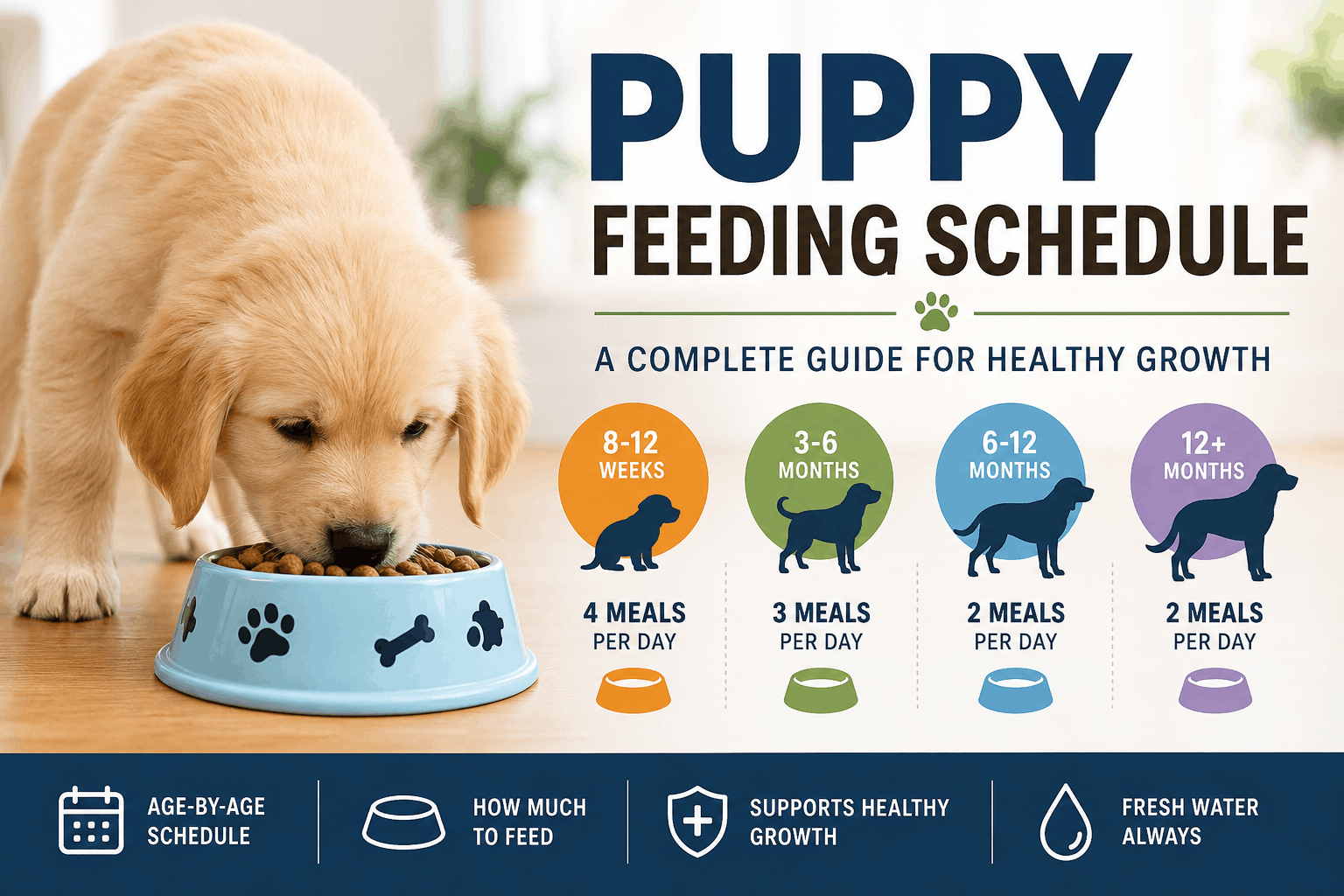
- 2–6 months: 3–4 meals daily.
- 6–12 months: 2–3 meals daily.
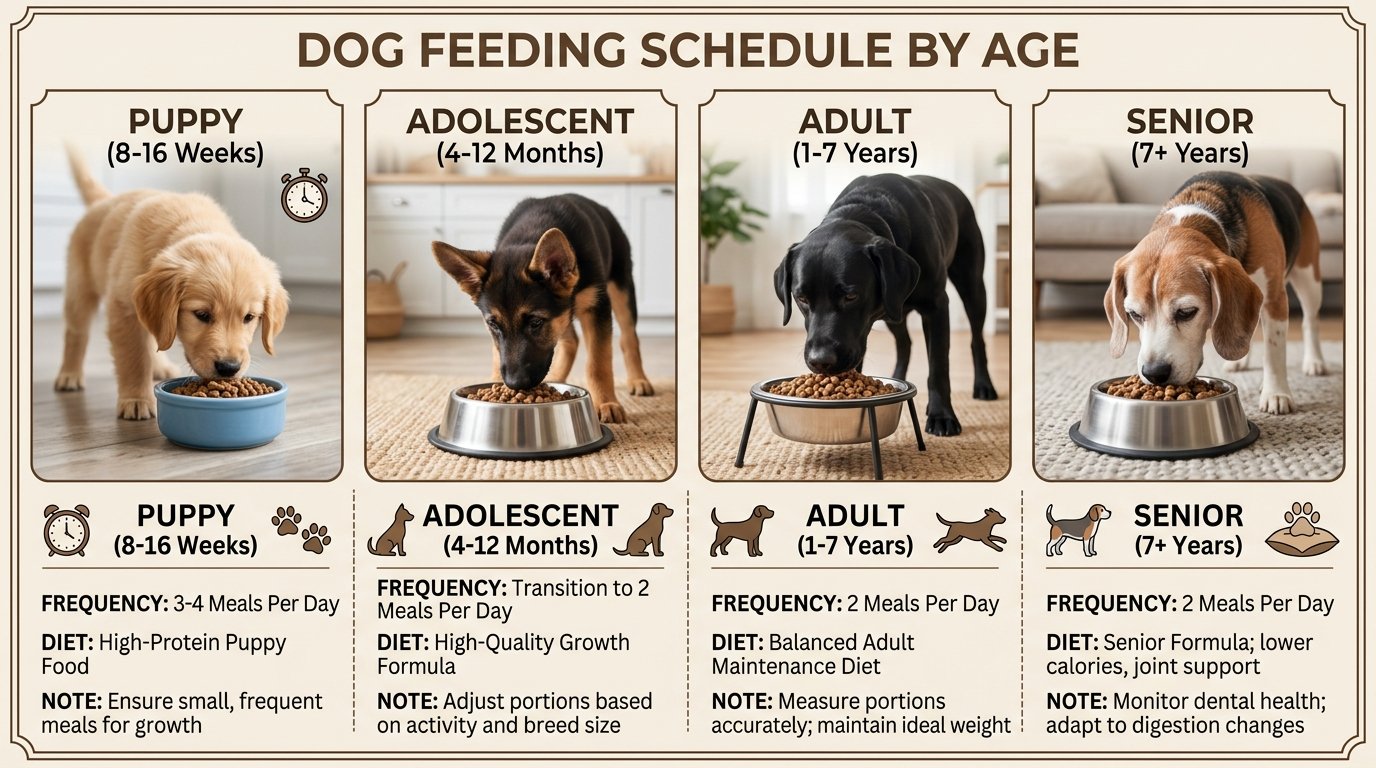
- Adult dogs (1–7 years): 2 measured meals daily.
- Senior dogs (7+ years): Usually 2 meals daily, although some benefit from 2–3 smaller meals depending on their health.
Always choose a complete and balanced dog food appropriate for your dog’s life stage and adjust portions based on body condition and veterinary advice.
Dog Feeding Schedule by Age (Quick Reference Chart)
| Dog’s Age | Meals Per Day | Recommended Food |
|---|---|---|
| Birth–4 Weeks | Every 2–4 hours | Mother’s milk or puppy milk replacer |
| 4–8 Weeks | 4–6 meals | Soft puppy food during weaning |
| 2–6 Months | 3–4 meals | Complete and balanced puppy food |
| 6–12 Months | 2–3 meals | Puppy food |
| 1–7 Years | 2 meals | Adult maintenance dog food |
| 7+ Years | 2 meals (sometimes 2–3 smaller meals) | Senior diet if recommended |
Expert Tip: Meal frequency is only one part of good nutrition. Feeding the correct portion size and maintaining a healthy body condition are equally important.
Why a Feeding Schedule Matters
Many owners focus on what they feed but overlook when they feed.
A consistent feeding routine offers several important benefits.
Supports Healthy Growth
Puppies have small stomachs and high energy needs. Frequent meals provide a steady supply of nutrients for healthy growth and development.
Helps Maintain a Healthy Weight
Measured meals reduce the risk of overeating and obesity, particularly in indoor or less active dogs.
Improves Digestion
Regular meal times help establish consistent digestive patterns and may reduce stomach upset in some dogs.
Makes Appetite Changes Easier to Notice
Dogs often show illness by eating less than usual. Feeding on a schedule allows owners to recognize changes in appetite quickly.
Helps with House Training
Young puppies typically need to eliminate shortly after eating. Feeding at predictable times helps create a consistent bathroom routine, making house training easier.
Feeding Newborn Puppies (Birth to 4 Weeks)
During the first month of life, puppies rely entirely on their mother’s milk for nutrition.
Mother’s milk provides:
- Complete nutrition
- Antibodies that support the immune system
- Essential fats
- High-quality protein
- Hydration
If the mother is unavailable, puppies should only receive a commercial puppy milk replacer recommended by a veterinarian. Cow’s milk is not a suitable substitute because it does not provide the correct balance of nutrients and may cause digestive upset.
Feeding Frequency
Newborn puppies generally nurse every 2–4 hours, including overnight.
Their stomachs are very small, so frequent feeding is essential.
Monitoring Growth
Healthy puppies should:
- Nurse actively
- Gain weight consistently
- Sleep comfortably between feedings
- Remain warm and hydrated
Failure to gain weight or difficulty nursing requires immediate veterinary attention.
Feeding Weaning Puppies (4–8 Weeks)
Between four and eight weeks of age, puppies gradually transition from milk to solid food.
This process is called weaning.
During this stage, puppies should receive a soft mixture of:
- High-quality puppy food
- Warm water or puppy milk replacer
Gradually reduce the amount of liquid over several weeks until puppies comfortably eat solid puppy food.
Feeding Frequency
Most puppies in this stage require:
4–6 small meals daily
Small, frequent meals provide enough energy while preventing overeating.
Signs Your Puppy Is Ready for More Solid Food
- Shows interest in the mother’s food
- Chews confidently
- Drinks water independently
- Maintains healthy weight gain
Feeding Puppies (2–6 Months)
This is one of the fastest growth periods in a dog’s life.
Puppies require:
- High-quality animal protein
- Healthy fats
- DHA for brain development
- Calcium and phosphorus in appropriate amounts
- Essential vitamins and minerals
Always choose a food labeled complete and balanced for growth.
Feeding Frequency
Most puppies between 2 and 6 months should eat:
3–4 measured meals daily
Smaller meals help provide consistent energy while supporting healthy digestion.
Example Daily Feeding Schedule (2–6 Months)
| Time | Meal |
|---|---|
| 7:00 AM | Breakfast |
| 12:00 PM | Lunch |
| 5:00 PM | Dinner |
| 8:30 PM (optional for younger puppies) | Small evening meal |
Your exact schedule may vary based on your daily routine, but try to feed meals at roughly the same times each day.
Tips for Feeding Growing Puppies
- Feed at consistent times every day.
- Use a measuring cup or kitchen scale for accurate portions.
- Provide fresh, clean water at all times.
- Avoid frequent table scraps.
- Introduce new foods gradually over 7–10 days.
- Monitor your puppy’s body condition rather than relying only on feeding charts.
Related Reading: For age-specific portion recommendations, read our Puppy Feeding Schedule guide and Best Dog Food for Puppies article.
Signs Your Puppy Is Receiving the Right Amount of Food
A healthy puppy should:
- Grow steadily without becoming overweight
- Have good energy levels
- Produce normal, well-formed stools
- Maintain a shiny coat
- Show enthusiasm at mealtimes without excessive hunger
If your puppy is consistently gaining excessive weight, losing weight, or refusing meals, consult your veterinarian to rule out underlying health concerns and adjust the feeding plan if necessary.
Feeding Puppies (6–12 Months)
Between six and twelve months, your puppy’s growth begins to slow, but proper nutrition remains essential for developing strong muscles, bones, joints, and a healthy immune system.
Most puppies become less dependent on frequent meals during this stage and can gradually transition to fewer feedings.
Recommended Meal Frequency
- Small and Medium Breeds: 2–3 meals per day
- Large and Giant Breeds: Usually 3 meals per day until your veterinarian recommends transitioning to 2 meals
Large-breed puppies continue growing longer than smaller breeds and benefit from carefully balanced nutrition to support healthy skeletal development.
Example Feeding Schedule
| Time | Meal |
|---|---|
| 7:00 AM | Breakfast |
| 1:00 PM | Lunch (optional for some puppies) |
| 6:00 PM | Dinner |
As your puppy approaches adulthood, your veterinarian may recommend transitioning from puppy food to an adult maintenance formula.
Read our Puppy Nutrition Guide (2026): Essential Nutrients, Feeding Schedule & Healthy Diet guide to learn when and how to transition from puppy food.
Feeding Adult Dogs (1–7 Years)
Most healthy adult dogs thrive on two measured meals per day.
Feeding once daily is possible for some dogs, but two meals often help maintain steady energy levels, improve digestion, and reduce excessive hunger between meals.
Recommended Meal Frequency
- Morning meal
- Evening meal
Example Schedule
| Time | Meal |
| 7:30 AM | Breakfast |
| 6:00 PM | Dinner |
Consistency is important. Try to feed your dog at approximately the same times every day.
Portion Control Matters
Even the healthiest food can contribute to obesity if portions are too large.
Use:
- A measuring cup
- A digital kitchen scale
- Feeding recommendations as a starting point
Then adjust portions according to your dog’s:
- Body condition
- Activity level
- Age
- Veterinary advice
Avoid estimating portion sizes by eye.
Feeding Senior Dogs (7+ Years)
Senior dogs often experience changes in metabolism, activity level, muscle mass, and appetite.
Although many senior dogs continue eating two meals daily, some benefit from smaller, more frequent meals.
Recommended Meal Frequency
- 2 meals daily for most healthy seniors
- 2–3 smaller meals for dogs with reduced appetite or certain medical conditions (under veterinary guidance)
Senior Feeding Tips
Choose foods that support:
- Healthy weight
- Lean muscle maintenance
- Joint health
- Digestive health
- Age-appropriate nutrition
Schedule regular veterinary wellness examinations because nutritional needs often change with age.
Small-Breed vs. Large-Breed Feeding Differences
Not all dogs require identical feeding schedules.
Small Breeds
Examples include:
- Chihuahua
- Yorkshire Terrier
- Maltese
- Toy Poodle
Characteristics:
- Faster metabolism
- Smaller stomach capacity
- Higher calorie needs per kilogram of body weight
Small breeds often benefit from consistent meal times to help maintain energy levels.
Large and Giant Breeds
Examples include:
- Labrador Retriever
- Golden Retriever
- German Shepherd
- Great Dane
Characteristics:
- Slower growth
- Longer puppyhood
- Greater risk of developmental orthopedic conditions during growth
Large-breed puppies should receive diets formulated specifically for large-breed growth rather than excessive calorie intake.
Feeding Active vs. Less Active Dogs
Activity level significantly affects calorie requirements.
Highly Active Dogs
Examples:
- Agility dogs
- Working dogs
- Sporting dogs
- Herding breeds
These dogs generally require:
- More calories
- Higher energy intake
- Careful monitoring during periods of heavy exercise
Less Active Dogs
Indoor or sedentary dogs usually need fewer calories.
Prevent unnecessary weight gain by:
- Measuring meals carefully
- Limiting treats
- Encouraging daily exercise
- Monitoring body condition regularly
Remember: Adjust food portions—not just feeding frequency—to match your dog’s activity level.
Wet vs. Dry Food Feeding Schedule
Many owners wonder whether wet food changes how often dogs should eat.
In most cases, meal frequency stays the same regardless of whether you feed:
- Wet food
- Dry kibble
- A combination of both
The key difference is portion size, since wet and dry foods have different calorie densities.
Always calculate daily calories rather than comparing food by cup or can size alone.
Read our Wet vs. Dry Dog Food guide for a complete comparison of nutrition, hydration, cost, and feeding recommendations.
Free Feeding vs. Scheduled Feeding
There are two common feeding methods.
Scheduled Feeding
Food is offered at specific times and removed after about 15–20 minutes if not eaten.
Benefits
- Easier portion control
- Helps prevent obesity
- Makes appetite changes easier to detect
- Supports house training
- Encourages routine
This method is recommended for most dogs.
Free Feeding
Food remains available throughout the day.
Although convenient for some households, free feeding may:
- Increase the risk of overeating
- Make weight management difficult
- Delay recognition of illness-related appetite changes
- Encourage food guarding in multi-dog homes
Most veterinarians recommend scheduled meals unless there is a specific medical reason to free-feed.
Common Dog Feeding Mistakes
Avoid these common errors to support your dog’s long-term health.
Overfeeding
The leading nutritional problem in pet dogs is excess body weight.
Always measure food accurately.
Feeding Too Many Treats
Treats should contribute less than 10% of your dog’s daily calorie intake.
Choose healthy treats and adjust meal portions if necessary.
Changing Foods Suddenly
Transition to a new food gradually over 7–10 days to reduce digestive upset.
Feeding Table Scraps Regularly
Many human foods are too high in fat, salt, or calories for dogs.
Some foods, including chocolate, grapes, raisins, onions, garlic, xylitol, and cooked bones, can be dangerous or toxic.
Ignoring Body Condition
Two dogs of the same breed and age may require different amounts of food.
Regularly assess your dog’s:
- Weight
- Waistline
- Ability to feel the ribs without excess fat covering
Adjust portions accordingly.
How to Adjust Feeding Portions as Your Dog Grows
A feeding schedule tells you how often to feed your dog, but determining how much to feed requires a closer look at your dog’s individual needs.
The feeding guide printed on a dog food package is a useful starting point, but it should not be treated as a strict rule. Every dog has a unique metabolism, activity level, and body condition.
When deciding whether to increase or decrease portions, consider:
- Age
- Breed size
- Current body weight
- Body Condition Score (BCS)
- Activity level
- Reproductive status (spayed/neutered)
- Overall health
- Calorie content of the food
If your dog is gaining too much weight, reduce calories gradually under veterinary guidance. If your dog is losing weight unexpectedly or appears consistently hungry despite appropriate portions, consult your veterinarian to rule out underlying health issues.
Expert Tip: Instead of focusing only on the number on the scale, monitor your dog’s Body Condition Score (BCS). A healthy dog should have a visible waist when viewed from above and ribs that are easily felt beneath a thin layer of fat.
How to Monitor Your Dog’s Body Condition
A healthy feeding routine includes regular weight and body condition checks.
Signs your dog is maintaining an ideal weight include:
✅ Visible waist from above
✅ Abdominal tuck when viewed from the side
✅ Ribs easily felt without pressing hard
✅ Consistent energy levels
✅ Shiny coat and healthy skin
If your dog becomes overweight or underweight, adjust calorie intake gradually rather than making sudden dietary changes.
Safe Treat Guidelines
Treats are useful for training and strengthening the bond with your dog, but they should be offered in moderation.
Veterinary nutritionists recommend that treats make up no more than 10% of your dog’s total daily calorie intake, while the remaining 90% should come from a complete and balanced dog food.
Healthier Treat Options
- Small pieces of cooked, unseasoned chicken
- Carrot sticks
- Green beans
- Cucumber slices
- Plain pumpkin (without added sugar or spices)
- Commercial training treats fed in moderation
Avoid feeding large treats immediately before regular meals, as this may reduce your dog’s appetite for their nutritionally balanced food.
Foods Dogs Should Never Eat
Some human foods are unsafe or toxic for dogs. Avoid feeding:
- Chocolate
- Grapes and raisins
- Onions
- Garlic
- Macadamia nuts
- Xylitol (found in sugar-free gum, candy, and some peanut butters)
- Alcohol
- Caffeine
- Raw bread dough
- Cooked bones
- Excessively salty or fatty foods
If you suspect your dog has eaten a toxic food, contact your veterinarian or an emergency animal poison service immediately.
Frequently Asked Questions
How often should I feed my dog?
Most healthy adult dogs do best with two meals per day. Puppies require more frequent meals depending on their age, while some senior dogs may benefit from smaller, more frequent feedings.
Should I leave food out all day?
For most dogs, scheduled feeding is recommended over free feeding because it supports portion control, healthy weight management, and makes changes in appetite easier to notice.
Can I feed my dog once a day?
Some healthy adult dogs may tolerate one meal daily, but many veterinarians recommend two meals to promote more consistent energy levels and reduce long periods without food.
How long should food stay in the bowl?
Offer meals for approximately 15–20 minutes. Remove uneaten food afterward to encourage a consistent feeding routine and reduce the risk of spoilage, especially with wet food.
How much water should my dog drink?
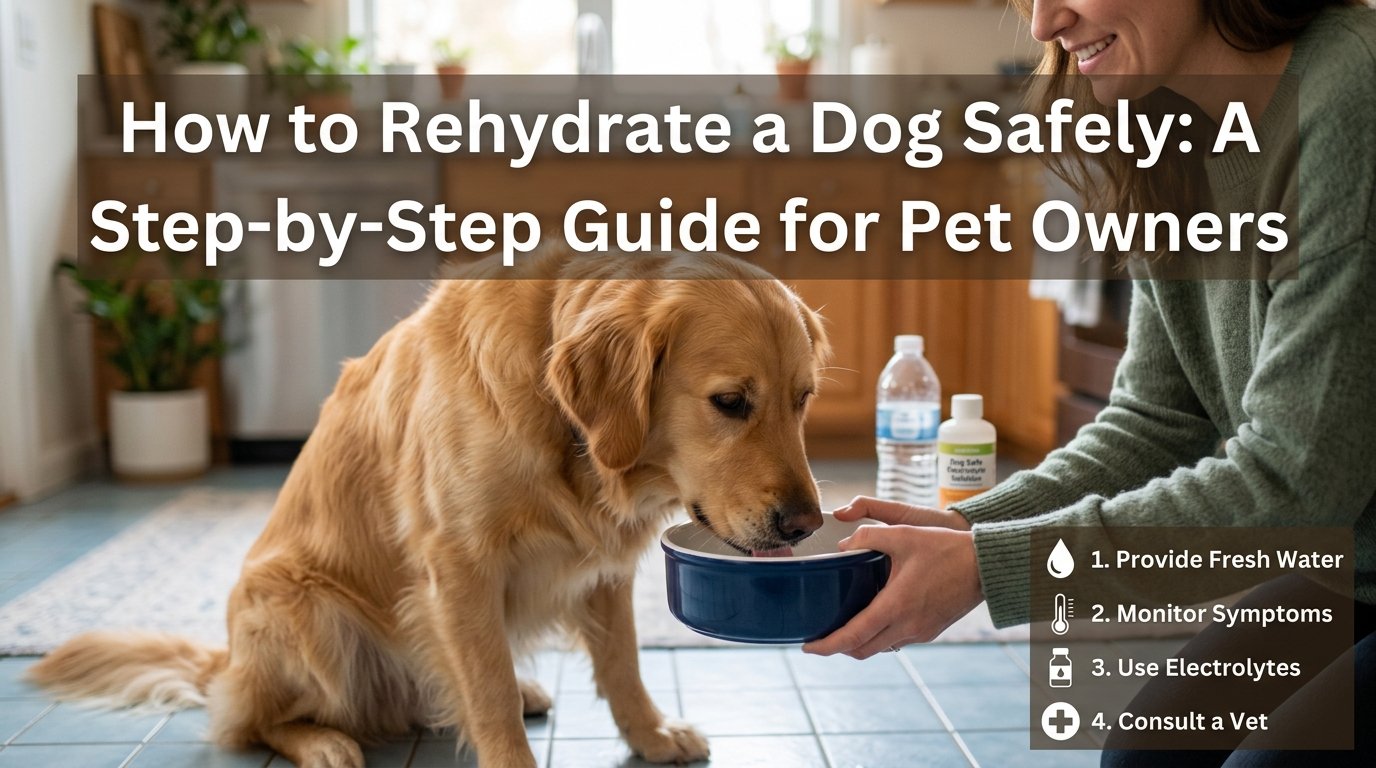
Water needs vary depending on diet, activity level, weather, and health. Fresh, clean drinking water should always be available, regardless of whether your dog eats wet food, dry food, or a combination of both.
Can I feed wet and dry food together?
Yes. Mixed feeding is commonly recommended and can combine the hydration benefits of wet food with the convenience of dry kibble. Adjust portions to avoid exceeding your dog’s daily calorie needs.
How We Researched This Guide
This article was created using evidence-based veterinary nutrition resources and current recommendations from internationally recognized organizations.
Our research included information on:
- Canine nutrient requirements
- Life-stage feeding recommendations
- Puppy growth and development
- Weight management
- Feeding frequency
- Body Condition Scoring (BCS)
- Veterinary preventive care
Our goal is to provide practical, science-based guidance that helps dog owners build healthy feeding routines throughout every stage of their dog’s life.
Trusted References
This guide is based on educational information from trusted veterinary organizations, including:
- Association of American Feed Control Officials (AAFCO) – Pet Food Nutrient Profiles
- World Small Animal Veterinary Association (WSAVA) – Global Nutrition Guidelines
- American Animal Hospital Association (AAHA) – Canine Life Stage and Nutrition Guidelines
- American Veterinary Medical Association (AVMA) – Pet Nutrition Resources
- Merck Veterinary Manual – Canine Nutrition
- Cornell University College of Veterinary Medicine
- Tufts University Cummings School of Veterinary Medicine – Clinical Nutrition Service
These organizations provide evidence-based recommendations that are widely recognized by veterinary professionals.
Related Articles
Strengthen your understanding of canine nutrition with these guides on our website:
- Wet vs. Dry Dog Food
- What to Feed Dogs With an Upset Stomach
- How to Rehydrate a Dog Safely
- How Does a Dog Act When They’re Dehydrated?
- Ultimate Dog Food Guide
- Best Dog Food for Senior Dogs (Coming Soon)
Final Verdict
A consistent feeding schedule is one of the simplest yet most effective ways to support your dog’s health. While the ideal meal frequency changes as dogs grow—from frequent feedings for puppies to two measured meals for most adults—the principles remain the same: provide a complete and balanced diet, measure portions accurately, maintain fresh water at all times, and monitor your dog’s body condition regularly.
Rather than comparing your dog to others of the same breed or age, focus on their individual needs. Factors such as activity level, metabolism, body condition, and overall health all influence how much food your dog requires.
By combining high-quality nutrition, consistent meal times, appropriate portion control, and regular veterinary checkups, you’ll give your dog the foundation for a healthy, active, and happy life from puppyhood through the senior years.