When I adopted my first cat, choosing her food seemed simple. I stood in the pet store surrounded by dozens of colorful bags and cans, each claiming to be “premium,” “natural,” or “complete and balanced.” Some emphasized grain-free recipes, while others promoted high-protein formulas or veterinary recommendations.
Like many first-time cat owners, I assumed the most expensive option would automatically be the healthiest. After discussing feline nutrition with my veterinarian and learning how to interpret pet food labels, I realized that marketing claims don’t always reflect nutritional quality.
Cats have unique dietary requirements that differ significantly from dogs and humans. As obligate carnivores, they rely on animal-based nutrients to maintain healthy muscles, organs, skin, eyesight, and immune function. Feeding the wrong diet—or even the right diet in the wrong amounts—can contribute to obesity, urinary issues, digestive problems, and nutritional deficiencies over time.
This comprehensive and Ultimate Cat Food Guide explains everything you need to know about choosing the right cat food, understanding ingredients, comparing wet and dry diets, feeding cats at every life stage, and avoiding common nutritional mistakes.
Whether you’re raising a playful kitten or caring for a senior cat, this guide will help you make informed, evidence-based decisions that support lifelong health.
Ultimate Cat Food Guide 2026
Why Proper Nutrition Matters for Cats
Food is more than just fuel—it’s the foundation of your cat’s long-term health.
A balanced diet supports nearly every system in your cat’s body, including:
- Healthy muscles
- Brain development
- Heart function
- Vision
- Skin and coat health
- Digestive health
- Immune system function
- Bone development
- Healthy body weight
Cats that consistently eat nutritionally complete diets are generally better equipped to maintain healthy body condition, recover from illness, and age gracefully.
Poor nutrition, on the other hand, may contribute to:
- Obesity
- Diabetes mellitus
- Urinary tract problems
- Digestive disorders
- Poor coat quality
- Reduced muscle mass
- Vitamin and mineral deficiencies
Choosing the right food early in life is one of the most important investments you can make in your cat’s future health.
How Cats Eat in Nature
To understand modern cat nutrition, it helps to understand how cats evolved.
Domestic cats descended from desert-dwelling wildcats that hunted multiple small prey animals throughout the day. Their natural diet consisted primarily of rodents, birds, insects, and other small animals.
These prey items provided:
- High-quality animal protein
- Moderate fat
- Very little carbohydrate
- High moisture content
Modern commercial cat foods aim to provide complete and balanced nutrition while meeting these biological needs.
Although today’s house cats no longer hunt for every meal, their digestive system still reflects their carnivorous ancestry.
Cats Are Obligate Carnivores
Unlike humans and dogs, cats cannot produce certain essential nutrients in sufficient amounts on their own.
This means they must obtain these nutrients from animal-based ingredients.
Key nutrients include:
- Taurine
- Arachidonic acid
- Vitamin A (preformed)
- Vitamin D
- Niacin
- High-quality animal protein
Without adequate intake of these nutrients, cats may develop serious health problems over time.
Essential Nutrients Every Cat Needs
Understanding the building blocks of feline nutrition makes it easier to evaluate different foods.
Protein
Protein is the most important nutrient in a cat’s diet.
It supports:
- Muscle growth
- Organ function
- Hormone production
- Immune health
- Tissue repair
Look for named animal protein sources such as:
- Chicken
- Turkey
- Salmon
- Duck
- Lamb
- Beef
High-quality cat foods typically list an animal protein as the first ingredient.
Fat
Healthy fats provide concentrated energy and support numerous body functions.
Benefits include:
- Healthy skin
- Glossy coat
- Brain development
- Cell function
- Vitamin absorption
Important fatty acids include:
- Omega-3 fatty acids
- Omega-6 fatty acids
Taurine
Taurine is one of the most critical nutrients for cats.
Unlike many other mammals, cats cannot produce enough taurine naturally.
Adequate taurine supports:
- Heart health
- Vision
- Reproduction
- Nervous system function
- Immune health
Deficiency can lead to serious medical conditions, including heart disease and retinal degeneration.
Vitamins and Minerals
A balanced cat food should also provide:
| Nutrient | Why It’s Important |
|---|---|
| Calcium | Bone and teeth development |
| Phosphorus | Skeletal health |
| Zinc | Skin and immune support |
| Iron | Red blood cell production |
| Vitamin A | Vision and immune function |
| Vitamin E | Antioxidant protection |
| B Vitamins | Energy metabolism |
| Magnesium | Muscle and nerve function |
These nutrients should be present in appropriate amounts as part of a complete and balanced diet.
Water
Hydration is often overlooked in feline nutrition.
Cats naturally have a lower thirst drive than many other animals because their ancestors obtained much of their water from prey.
Encouraging adequate water intake is especially important for:
- Indoor cats
- Senior cats
- Cats eating primarily dry food
- Cats prone to urinary tract issues
Providing fresh, clean water at all times is essential.
Many cats also benefit from water fountains, which encourage more frequent drinking.
How to Read a Cat Food Label
Pet food packaging contains a wealth of information—but it can also be confusing.
Learning to read labels helps you compare products more effectively.
1. Ingredient List
Ingredients are listed by weight before cooking.
The first few ingredients usually make up the largest portion of the food.
Ideally, look for foods where the first ingredient is a named animal protein, such as:
- Chicken
- Turkey
- Salmon
- Duck
- Beef
Rather than vague descriptions like:
- Meat meal
- Animal derivatives
- Poultry by-products
While some by-products can be nutritious, transparency about ingredient sources generally helps owners make more informed decisions.
2. Nutritional Adequacy Statement
Look for a statement indicating that the food is complete and balanced for your cat’s life stage.
Examples include:
- Growth (kittens)
- Adult maintenance
- All life stages
This statement indicates the food has been formulated to meet recognized nutritional standards for its intended use.
3. Guaranteed Analysis
The Guaranteed Analysis lists minimum or maximum percentages of key nutrients.
Typical values include:
| Nutrient | Dry Food | Wet Food |
| Protein | 30–45% | 8–15%* |
| Fat | 12–22% | 3–8%* |
| Fiber | 2–6% | 1–3% |
| Moisture | 8–10% | 75–82% |
*Wet food contains much more water, so percentages appear lower even though nutrient intake may be similar on a dry matter basis.
Common Marketing Terms
Pet food packaging often includes attractive claims.
Some are meaningful, while others are primarily marketing language.
| Label Claim | What It Generally Means |
| Complete & Balanced | Meets established nutritional standards for a specific life stage |
| Natural | Ingredients are minimally processed, but definitions vary |
| Grain-Free | Contains alternative carbohydrate sources instead of grains |
| High Protein | Higher protein content than standard formulas (check the label) |
| Indoor Formula | Designed for the needs of less active indoor cats |
| Limited Ingredient | Uses fewer ingredients to help identify food sensitivities |
Rather than relying on front-of-package claims alone, evaluate the ingredient list and nutritional adequacy statement.
Wet Food vs. Dry Food:
One of the most common questions cat owners ask is:
“Should I feed wet food or dry food?”
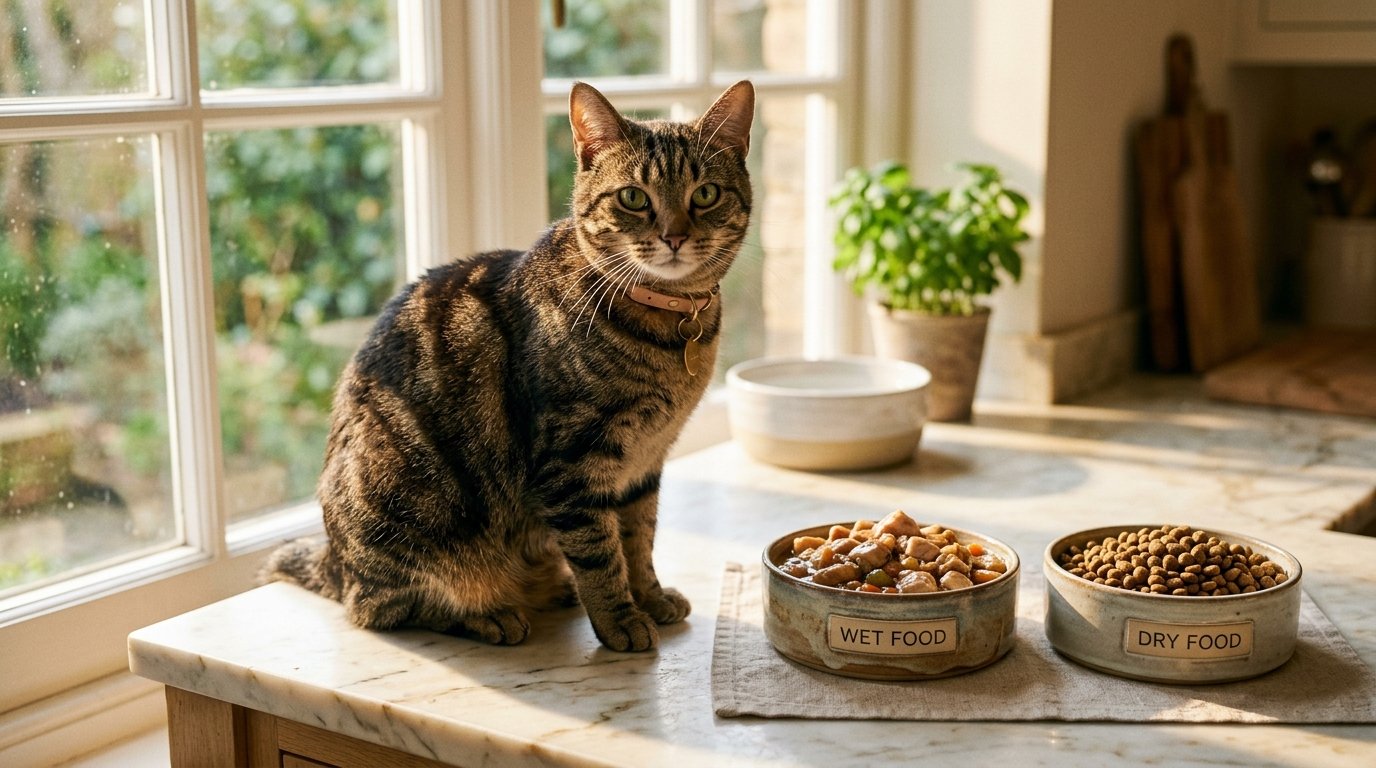
The truth is that both options can support good health when they are nutritionally complete and appropriate for your cat’s needs.
Each has its own advantages.
| Feature | Wet Food | Dry Food |
| Moisture | Excellent | Low |
| Cost | Higher | Lower |
| Storage | Refrigerate after opening | Easy to store |
| Convenience | Moderate | Excellent |
| Hydration Support | Excellent | Limited |
| Dental Benefits | Minimal | May help reduce plaque accumulation |
Many veterinarians recommend a mixed-feeding approach for healthy cats, combining the hydration benefits of wet food with the convenience of dry food. The best choice depends on your cat’s age, health status, preferences, and your veterinarian’s guidance.
Wet Food vs. Dry Food: Which Is Better?
There is no universal answer. Both can be excellent choices when they are nutritionally complete and appropriate for your cat.
Benefits of Wet Food
Wet food contains significantly more moisture, making it especially useful for cats that don’t drink enough water.
Benefits include:
- Supports hydration
- Highly palatable
- May help urinary tract health
- Often easier for senior cats to eat
Benefits of Dry Food
Dry food remains popular because it is convenient and economical.
Benefits include:
- Easy storage
- Lower cost
- Convenient portion measurement
- Can remain fresh longer in the bowl
- Suitable for food puzzles and enrichment toys
How to Choose the Best Cat Food
With hundreds of cat food options available, choosing the right one can feel overwhelming. Attractive packaging doesn’t always reflect nutritional quality, so it’s important to evaluate products based on science rather than marketing.
When comparing foods, prioritize these factors:
- A named animal protein as the first ingredient (such as chicken, turkey, salmon, or lamb)
- A “Complete and Balanced” nutritional adequacy statement
- A formula designed for your cat’s life stage
- A reputable manufacturer with strong quality-control standards
- Clear ingredient sourcing and labeling
A food that meets these criteria is generally a better long-term choice than one relying on trendy marketing claims alone.
What Makes a High-Quality Cat Food?
Quality isn’t determined by price alone.
Look for foods that provide:
| Feature | Why It Matters |
|---|---|
| Named animal protein first | Supports muscle maintenance and overall health |
| Complete and balanced nutrition | Meets recognized nutritional requirements |
| Appropriate fat levels | Provides energy and supports healthy skin and coat |
| Essential vitamins and minerals | Prevents nutritional deficiencies |
| Controlled calorie content | Helps maintain a healthy weight |
| Transparent ingredient list | Makes products easier to evaluate |
Avoid choosing food based solely on buzzwords like “premium,” “gourmet,” or “holistic,” as these terms have no standardized nutritional meaning.
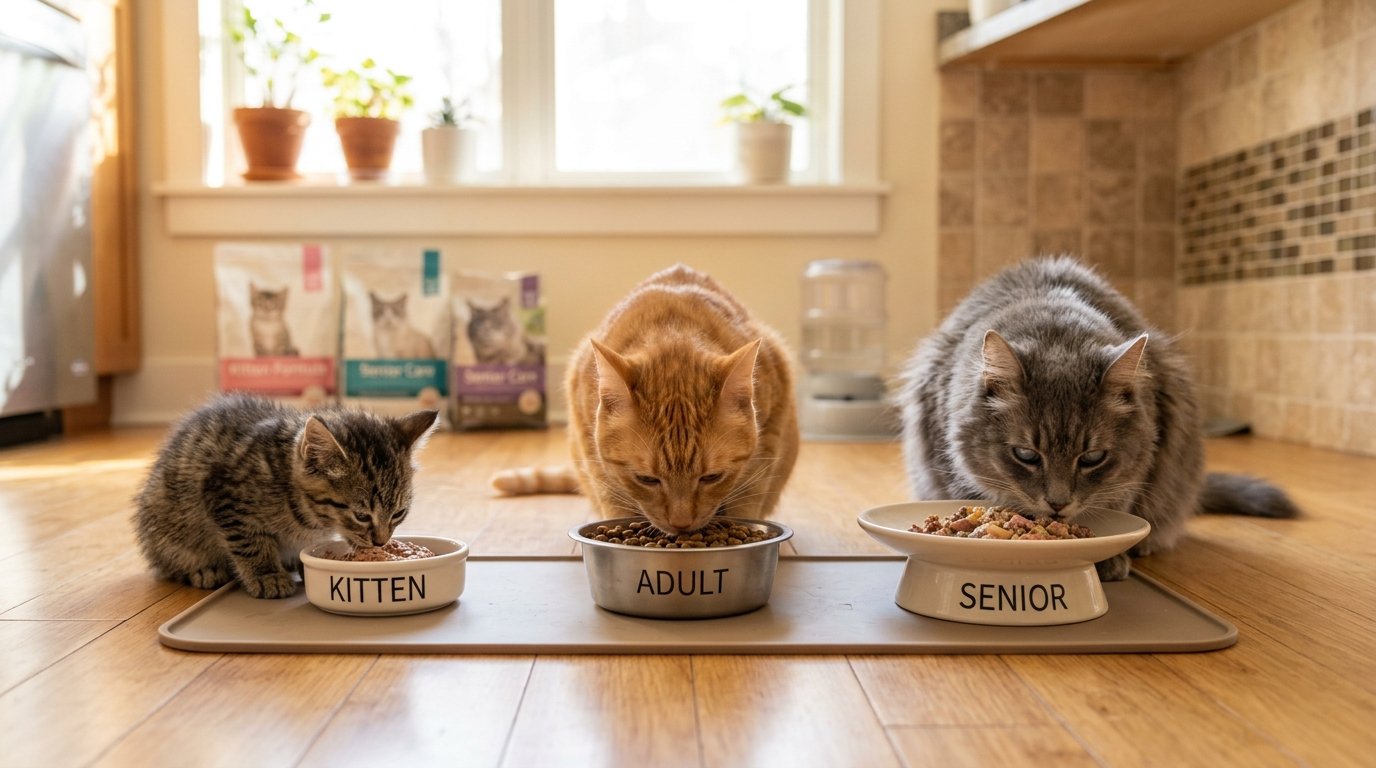
Choosing Cat Food by Life Stage
Cats have different nutritional requirements throughout their lives. Feeding a life-stage-appropriate diet supports healthy growth, maintenance, and aging.
Best Food for Kittens
Kittens experience rapid growth during their first year and require more calories, protein, and essential nutrients than adult cats.
A quality kitten food should provide:
- Higher protein levels
- Increased calories
- DHA for brain and eye development
- Balanced calcium and phosphorus for healthy bones
- Taurine for heart and vision health
Feeding Frequency for Kittens
| Age | Meals Per Day |
| 8–12 weeks | 4 meals |
| 3–6 months | 3 meals |
| 6–12 months | 2–3 meals |
Small, frequent meals help support steady growth and energy levels.
Best Food for Adult Cats
Once cats reach adulthood, their nutritional needs shift from growth to maintenance.
Adult cat food should focus on:
- Maintaining lean muscle
- Supporting a healthy body weight
- Providing balanced vitamins and minerals
- Supporting urinary health
- Promoting healthy digestion
Most healthy adult cats thrive on two measured meals per day.
Best Food for Senior Cats
Senior cats often experience changes in metabolism, activity level, and digestive efficiency.
As cats age, they may benefit from diets that provide:
- Easily digestible protein
- Moderate calorie levels
- Joint-supporting nutrients
- Increased moisture
- Highly palatable recipes for reduced appetite
Some senior cats require prescription diets based on medical conditions, so routine veterinary examinations become increasingly important.
Feeding Indoor vs. Outdoor Cats
Lifestyle significantly affects calorie requirements.
Indoor Cats
Indoor cats generally burn fewer calories and have a higher risk of obesity.
Look for foods that support:
- Weight management
- Hairball control
- Healthy digestion
- Moderate calorie intake
Because indoor cats spend more time around their owners, they may also become more attached and seek attention more frequently. If you’ve noticed your cat constantly following you from room to room, read our guide on Why Does My Cat Follow Me Everywhere? to understand the behavior and what it means.
Outdoor Cats
Outdoor cats are usually more active and may require additional calories.
Their diets should provide:
- Higher energy levels
- Excellent protein quality
- Healthy fats
- Adequate hydration
Always adjust feeding based on body condition rather than assumptions about activity alone.
Indoor vs. Outdoor Nutrition Comparison
| Feature | Indoor Cats | Outdoor Cats |
| Activity Level | Lower | Higher |
| Calorie Needs | Moderate | Higher |
| Obesity Risk | Higher | Lower |
| Water Needs | Important | Important |
| Weight Monitoring | Essential | Essential |
Is Grain-Free Cat Food Better?
Grain-free diets have become increasingly popular, but they are not automatically healthier.
Cats require nutrients—not specific ingredients.
Unless your veterinarian recommends avoiding grains because of a confirmed medical condition, whole grains can be part of a balanced feline diet.
Focus on overall nutritional quality instead of a single ingredient trend.
Raw Diets for Cats
Some owners choose raw feeding in an effort to mimic a cat’s natural diet.
Potential benefits are often discussed, but raw diets also carry important risks.
Possible Concerns
- Bacterial contamination
- Nutritional imbalances
- Food safety concerns for people in the household
- Risk of bone fragments when feeding raw bones
If you’re considering a raw diet, work with a veterinarian or a board-certified veterinary nutritionist to ensure nutritional balance and safe food handling.
Homemade Cat Food
Preparing homemade meals allows complete control over ingredients, but balancing feline nutrition is extremely challenging.
Cats require precise amounts of:
- Taurine
- Calcium
- Phosphorus
- Essential fatty acids
- Vitamins
- Trace minerals
Without professional formulation, homemade diets may become nutritionally incomplete over time.
If you prefer homemade feeding, consult a veterinary nutrition professional before replacing a complete commercial diet.
How Much Should You Feed Your Cat?
Every cat has unique calorie needs.
Daily food intake depends on:
- Age
- Body weight
- Activity level
- Reproductive status
- Health conditions
- Type of food
Instead of estimating portions, measure meals using a measuring cup or digital kitchen scale.
General Feeding Guide
| Cat Weight | Approximate Daily Calories* |
| 5 lbs (2.3 kg) | 160–180 kcal |
| 8 lbs (3.6 kg) | 180–220 kcal |
| 10 lbs (4.5 kg) | 220–250 kcal |
| 12 lbs (5.4 kg) | 250–300 kcal |
| 15 lbs (6.8 kg) | 300–360 kcal |
*These are general estimates. Individual calorie needs vary based on age, health, and activity level.
Transitioning to a New Cat Food
Changing foods too quickly can upset your cat’s digestive system.
A gradual transition over 7–10 days is recommended.
| Day | Old Food | New Food |
| 1–2 | 75% | 25% |
| 3–4 | 50% | 50% |
| 5–6 | 25% | 75% |
| 7+ | 0% | 100% |
If vomiting, persistent diarrhea, or refusal to eat occurs, pause the transition and consult your veterinarian if symptoms continue.
Common Cat Feeding Mistakes
Even experienced owners sometimes develop habits that can affect long-term health.
| Mistake | Better Approach |
| Free-feeding all day | Feed measured portions |
| Overfeeding treats | Keep treats below 10% of daily calories |
| Ignoring weight gain | Monitor body condition monthly |
| Switching foods frequently | Transition gradually |
| Feeding only based on package instructions | Adjust portions according to your cat’s weight, activity level, and veterinary advice |
| Sharing table scraps | Feed a nutritionally complete cat diet instead |
Expert Tips for Choosing Cat Food
To simplify your decision-making process:
- Choose food formulated for your cat’s life stage.
- Read the ingredient list rather than relying on front-label marketing.
- Prioritize animal protein.
- Measure meals consistently.
- Monitor body condition regularly.
- Ensure fresh water is always available.
- Schedule regular veterinary checkups to evaluate your cat’s nutritional health.
Foods Cats Should Never Eat
While cats may seem curious about human food, many everyday ingredients can be harmful—or even life-threatening. Even small amounts of certain foods may cause digestive upset, neurological problems, organ damage, or poisoning.
Toxic Foods for Cats
| Food | Why It’s Dangerous |
|---|---|
| Chocolate | Contains theobromine and caffeine, which can affect the heart and nervous system. |
| Onions | Can damage red blood cells and lead to anemia. |
| Garlic | Toxic in larger amounts and may cause gastrointestinal upset and anemia. |
| Grapes & Raisins | May cause sudden kidney failure in some cats. |
| Alcohol | Even tiny amounts can be dangerous and affect the brain and liver. |
| Xylitol | Artificial sweetener that may cause serious health problems. |
| Raw Bread Dough | Can expand in the stomach and produce alcohol as it ferments. |
| Cooked Bones | May splinter and injure the digestive tract. |
| Caffeine | Can cause rapid heart rate, tremors, and seizures. |
| Fat Trimmings | May contribute to digestive upset and pancreatitis. |
Emergency Tip: If you believe your cat has eaten a toxic substance, contact your veterinarian or an emergency animal poison service immediately. Early treatment significantly improves outcomes.
Healthy Treats for Cats
Treats can strengthen the bond between you and your cat and support positive reinforcement during training. However, they should complement—not replace—a balanced diet.
Veterinary nutritionists generally recommend keeping treats below 10% of your cat’s daily calorie intake.
Healthy Treat Options
- Small pieces of cooked chicken (plain, boneless, skinless)
- Cooked turkey
- Freeze-dried meat treats
- Commercial dental treats (used as directed)
- Small portions of cooked salmon (occasionally)
- Cat grass for enrichment
Avoid seasoning, onions, garlic, butter, or sauces when offering human foods.
How Much Water Does a Cat Need?
Hydration plays a crucial role in kidney function, digestion, and urinary tract health.
Cats eating primarily dry food may drink more water than cats consuming wet food because canned diets already contain high moisture levels.
Tips to Encourage Better Hydration
- Provide fresh water daily.
- Place multiple water bowls around the home.
- Try a pet water fountain if your cat prefers running water.
- Include wet food if your veterinarian recommends it.
- Wash bowls regularly to prevent bacterial buildup.
Adequate hydration is especially important for senior cats and those prone to urinary tract problems.
Maintaining a Healthy Weight
Obesity is one of the most common nutritional problems seen in companion cats. Excess weight increases the risk of several chronic diseases and can reduce quality of life.
Why Healthy Weight Matters
Maintaining an ideal body condition supports:
- Easier movement and play
- Healthy joints
- Better diabetes prevention
- Improved grooming ability
- Longer lifespan
- Better overall quality of life
Signs Your Cat May Be Overweight
| Sign | What You May Notice |
| Waist is difficult to see | Body appears rounded when viewed from above |
| Ribs are difficult to feel | Excess fat covers the rib cage |
| Reduced activity | Sleeps more and plays less |
| Difficulty jumping | Hesitates before climbing or jumping |
| Excess fat around the abdomen | Belly hangs lower than expected |
If you notice these signs, discuss a weight management plan with your veterinarian rather than making sudden diet changes.
Signs Your Cat May Be Underweight
Being too thin can also indicate nutritional or medical problems.
Watch For:
- Prominent ribs and spine
- Muscle loss
- Low energy
- Dull coat
- Poor appetite
- Gradual weight loss
Unexpected weight loss always deserves veterinary attention.
Body Condition Score (BCS)
Veterinarians commonly use the Body Condition Score (BCS) to assess whether a cat is underweight, overweight, or at an ideal body condition.
| Score | Description |
| Too Thin | Ribs and spine easily visible; little body fat |
| Ideal | Waist visible; ribs easy to feel without excess fat |
| Overweight | Waist difficult to see; ribs harder to feel |
| Obese | Significant fat deposits with little or no waistline |
Checking your cat’s body condition every month helps identify gradual changes before they become serious health concerns.
Special Diets: When They May Be Needed
Some cats require specialized diets because of medical conditions. These diets should only be used under veterinary guidance.
Examples include:
- Kidney support diets
- Urinary care diets
- Gastrointestinal diets
- Weight management diets
- Hypoallergenic or limited-ingredient diets
- Diabetes management diets
Prescription diets are formulated to address specific health needs and should not be replaced with over-the-counter alternatives without professional advice.
Common Cat Nutrition Myths
Many nutrition myths continue to circulate online. Understanding the facts can help you make better decisions.
| Myth | Fact |
| Cats should drink milk. | Most adult cats are lactose intolerant and may develop digestive upset after drinking milk. |
| Grain-free food is always healthier. | Overall nutritional quality is more important than whether grains are included. |
| Cats can safely eat dog food. | Dog food does not provide the nutrient balance cats require, particularly taurine. |
| Cats naturally regulate their food intake. | Many indoor cats overeat if food is always available. |
| Expensive food is always better. | Price alone does not determine nutritional quality. Evaluate ingredients and nutritional adequacy instead. |
Frequently Asked Questions
What is the healthiest food for cats?
The healthiest food is one that is complete and balanced for your cat’s life stage, contains high-quality animal protein, and meets your individual cat’s nutritional needs.
Should cats eat wet food every day?
Many cats benefit from eating wet food because it increases moisture intake. However, both wet and dry foods can be healthy when nutritionally complete.
Is dry food bad for cats?
No. Dry food is not inherently unhealthy. The key is choosing a high-quality formula and ensuring your cat drinks enough water.
Can cats eat homemade food every day?
Only if the recipe has been professionally formulated to meet all nutritional requirements. Homemade diets that are not properly balanced can lead to nutrient deficiencies over time.
How often should adult cats eat?
Most healthy adult cats do well with two measured meals per day, although individual needs vary.
Can cats eat raw meat?
Raw diets may carry risks such as bacterial contamination and nutritional imbalance. Discuss raw feeding with your veterinarian before making dietary changes.
How can I tell if my cat likes its food?
Healthy signs include:
- Consistent appetite
- Good energy levels
- Healthy weight
- Shiny coat
- Normal stools
Should I leave food out all day?
Scheduled meals are often recommended because they help monitor food intake and reduce the risk of overeating, particularly in indoor cats.
Expert Tips for Long-Term Cat Nutrition
To support lifelong health:
- Feed a complete and balanced diet appropriate for your cat’s life stage.
- Measure portions accurately.
- Maintain a consistent feeding routine.
- Encourage water intake.
- Monitor weight monthly.
- Introduce new foods gradually.
- Avoid excessive treats and table scraps.
- Schedule routine veterinary wellness examinations.
Small, consistent habits often have a greater impact than occasional major changes.
References
This guide is based on evidence-based veterinary nutrition resources, including:
- Association of American Feed Control Officials (AAFCO) – Dog and Cat Food Nutrient Profiles
- World Small Animal Veterinary Association (WSAVA) – Global Nutrition Guidelines
- American Animal Hospital Association (AAHA) – Feline Life Stage Guidelines
- Merck Veterinary Manual – Feline Nutrition
- Tufts University Cummings School of Veterinary Medicine – Clinical Nutrition Service
- American Association of Feline Practitioners (AAFP) – Feline Care Guidelines
These organizations are widely recognized for developing science-based recommendations used by veterinarians worldwide.
About This Guide
This article was developed by reviewing current veterinary nutrition guidance, recognized feeding standards, and educational materials from leading animal health organizations. Its purpose is to provide practical, accurate, and easy-to-understand information for cat owners.
While this guide reflects current evidence-based recommendations, every cat is unique. Age, breed, activity level, medical history, and lifestyle all influence nutritional requirements. For personalized dietary advice, especially if your cat has a chronic illness or special nutritional needs, consult your veterinarian or a board-certified veterinary nutritionist.