Best Cat Food: Our Top Picks for Healthy Cats
Choosing the best cat food isn’t as simple as grabbing the bag with the cutest cat on the label.
Walk into any pet store—or browse Amazon—and you’ll find hundreds of options claiming to be “natural,” “grain-free,” “high-protein,” or “vet recommended.” While these labels can be helpful, they don’t always tell the whole story.
When I helped a family member choose food for a newly adopted rescue cat, we compared ingredient labels from more than a dozen popular brands. We quickly realized that expensive doesn’t always mean better, and marketing terms don’t always reflect nutritional quality. What mattered most was whether the food provided complete and balanced nutrition, appropriate protein sources, and matched the cat’s age, lifestyle, and health needs.
To create this guide, I reviewed recommendations from veterinary nutrition resources, manufacturer information, product ingredient panels, and well-established brands with strong quality-control standards. The goal isn’t to crown one “perfect” food—because no single product suits every cat—but to help you choose the right food for your cat.
Whether you have a playful kitten, an indoor adult cat, or a senior companion, this guide will help you compare the best options available today.
Quick Recommendations
| Category | Recommended Product |
|---|---|
| Best Overall | Purina ONE High Protein Adult Cat Food |
| Best Premium | Purina Pro Plan Complete Essentials |
| Best Budget | Purina Cat Chow Naturals |
| Best Wet Food | Sheba Perfect Portions Wet Cat Food |
| Best Kitten Food | Purina ONE Healthy Kitten Formula |
| Best Indoor Cat Food | Hill’s Science Diet Adult Indoor |
| Best Senior Cat Food | Purina Pro Plan Senior 7+ |
| Best Grain-Free Wet Food | Tiki Cat After Dark |
These products are widely available online, including Amazon, and represent a range of formulas for different life stages and preferences. Availability and pricing can vary over time.
Top Picks Comparison
| Product | Best For | Protein Source | Wet/Dry | Life Stage |
|---|---|---|---|---|
| Purina ONE High Protein | Overall | Chicken | Dry | Adult |
| Purina Pro Plan Complete Essentials | Sensitive Digestion | Chicken | Dry | Adult |
| Hill’s Science Diet Indoor | Indoor Cats | Chicken | Dry | Adult |
| Sheba Perfect Portions | Wet Food Lovers | Chicken & Fish | Wet | Adult |
| Purina ONE Healthy Kitten | Growing Kittens | Chicken | Dry | Kitten |
| Purina Pro Plan Senior 7+ | Older Cats | Chicken | Wet | Senior |
| Tiki Cat After Dark | High-Protein Wet Diet | Chicken & Organ Meats | Wet | Adult |
How to Choose the Best Cat Food
Instead of choosing food based on marketing slogans, evaluate it using these criteria:
1. Complete and Balanced Nutrition
Look for a statement indicating the food is complete and balanced for your cat’s life stage. This means it is formulated to provide essential nutrients when fed as directed.
2. High-Quality Animal Protein
Cats are obligate carnivores, meaning they rely on nutrients from animal-based proteins. Foods that list chicken, turkey, salmon, or similar animal proteins among the first ingredients are generally better aligned with feline nutritional needs.
3. Appropriate Life Stage
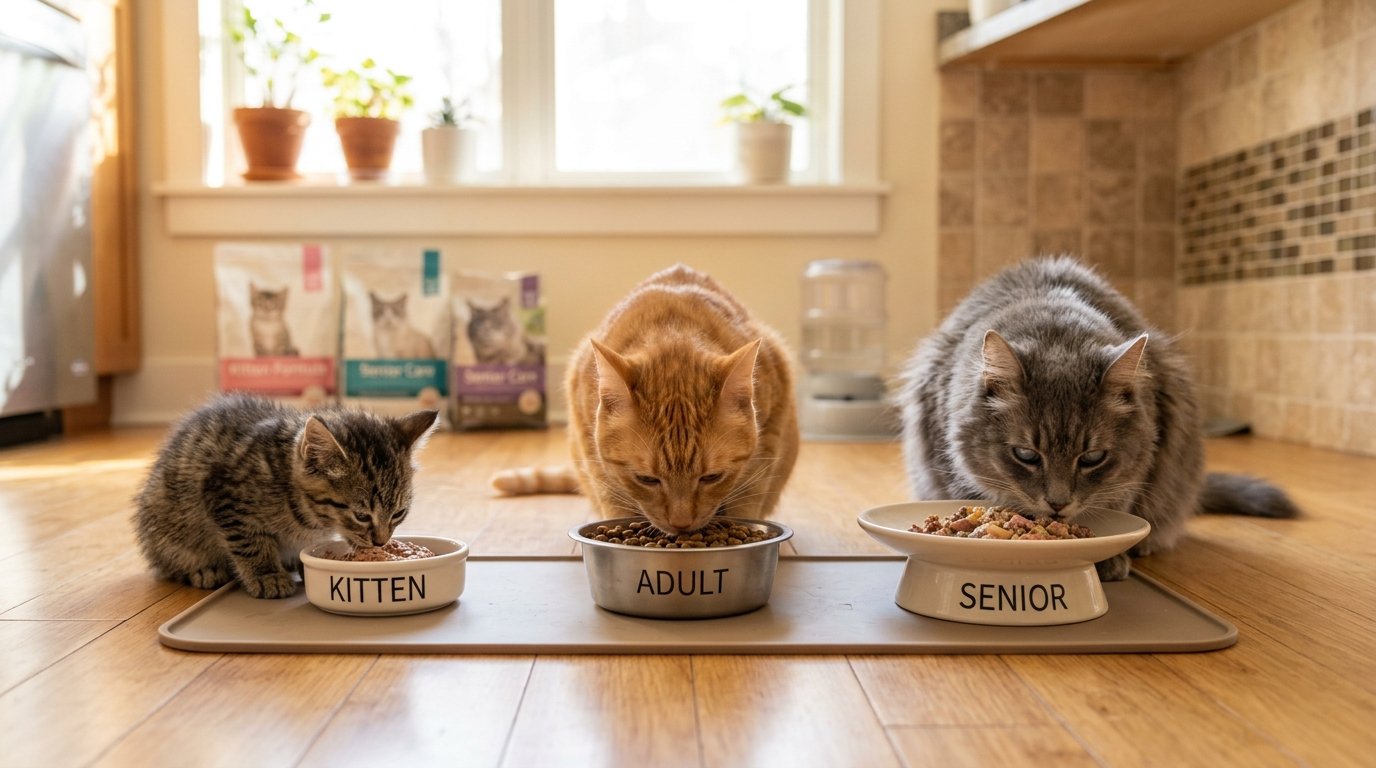
Kittens, adults, and senior cats have different nutritional requirements. Choose a formula designed specifically for your cat’s current life stage.
4. Moisture Content
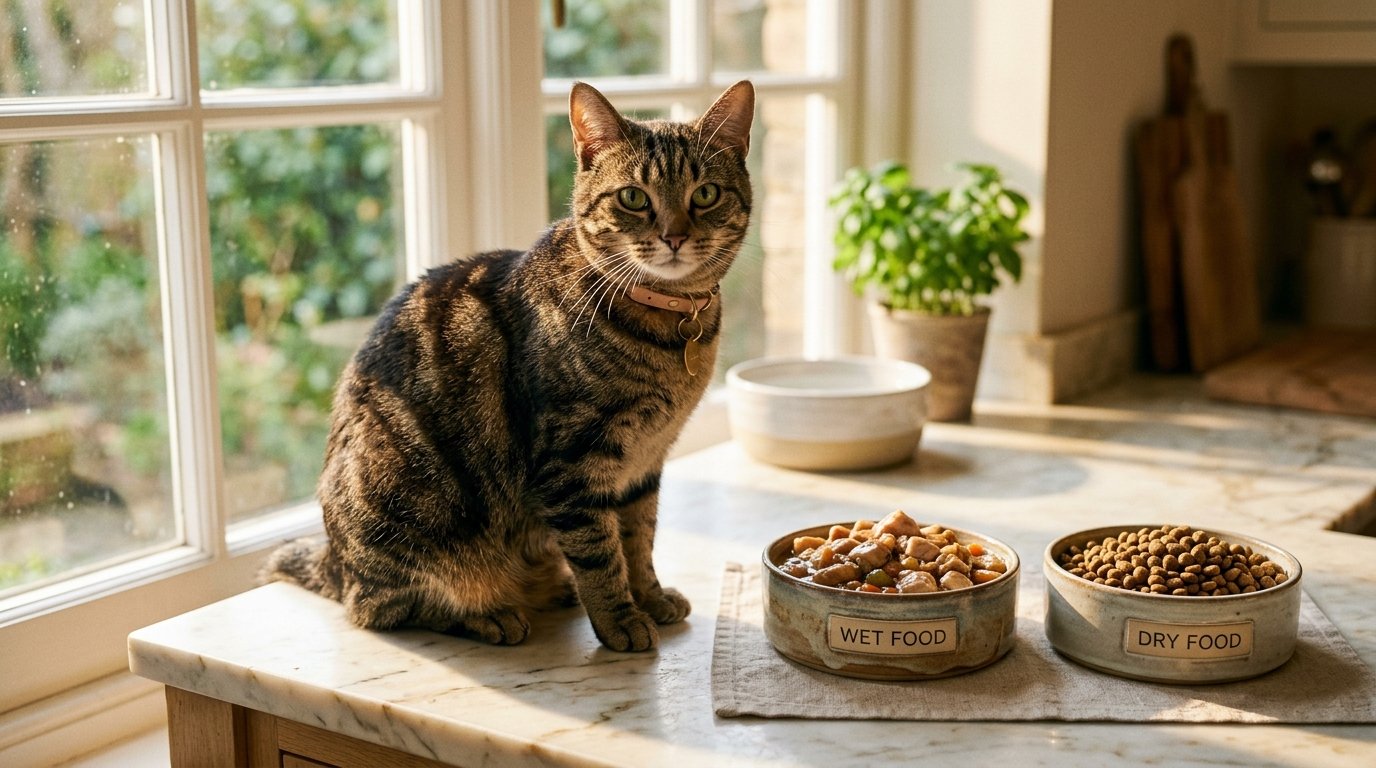
Wet food provides significantly more moisture than dry food and can be especially helpful for cats that don’t naturally drink much water. Dry food, on the other hand, is convenient to store and measure. Many owners successfully combine both as part of a balanced feeding routine.
Our #1 Pick: Purina ONE High Protein Adult Cat Food
Best Overall for Most Adult Cats
Why We Like It
Purina ONE High Protein Adult Cat Food is a strong all-around option because it combines animal-based protein with a complete nutritional profile suitable for healthy adult cats. It has remained a popular choice among cat owners and is available in multiple formulas and package sizes.
Pros
- Real chicken listed first
- High-protein formula
- Supports healthy muscles
- Includes essential vitamins and minerals
- Widely available
- Good value for money
Cons
- Contains grains, which some owners prefer to avoid
- Dry food should be paired with adequate water intake
Best For
- Healthy adult cats
- Multi-cat households
- Owners looking for good value without sacrificing nutritional completeness
2. Hill’s Science Diet Adult Indoor Cat Food
Best for Indoor Cats
Indoor cats typically burn fewer calories than outdoor cats, making them more prone to weight gain and hairballs. Hill’s Science Diet Adult Indoor Cat Food is formulated specifically to address these concerns by providing balanced nutrition, controlled calories, and natural fibers that help reduce hairball formation.
Why We Recommend It
Hill’s Science Diet is manufactured by one of the most recognized veterinary nutrition companies and is frequently recommended by veterinarians for healthy adult cats. Its formulas undergo extensive quality control and nutritional testing.
| Pros | Cons |
|---|---|
| Supports healthy weight | Premium price |
| Helps control hairballs | Not grain-free |
| High-quality chicken protein | Limited flavor variety |
| Trusted veterinary brand | Some picky cats may prefer wet food |
Best For
- Indoor adult cats
- Cats prone to hairballs
- Weight management
3. Sheba Perfect Portions
Best Wet Cat Food
Many cats naturally consume less water than they should. Wet food helps increase moisture intake while often being highly palatable.
Sheba Perfect Portions comes in convenient single-serving trays, reducing waste while ensuring freshness at every meal.
Why We Recommend It
This food contains quality animal protein and is available in multiple flavors, making it an excellent choice for cats that prefer wet food or are picky eaters.
| Pros | Cons |
|---|---|
| High moisture content | More expensive than dry food |
| Convenient serving trays | Generates more packaging waste |
| Highly palatable | Must be refrigerated after opening |
| Excellent for hydration | Not ideal as the only option for every budget |
Best For
- Cats that dislike dry food
- Senior cats
- Cats needing additional hydration
4. Purina Pro Plan Complete Essentials
Best Premium Cat Food
If you’re looking for a premium dry food backed by decades of nutritional research, Purina Pro Plan Complete Essentials deserves serious consideration.
Its recipes combine real meat with live probiotics to support digestive and immune health.
Key Benefits
- High-quality animal protein
- Live probiotics
- Omega fatty acids
- Balanced vitamins and minerals
| Pros | Cons |
|---|---|
| Excellent digestibility | Higher cost |
| Live probiotics | Limited specialty flavors |
| Trusted manufacturing | Premium pricing |
| Strong protein profile | Some formulas include grains |
Best For
- Active adult cats
- Cats with sensitive digestion
- Owners wanting premium nutrition
5. Purina ONE Healthy Kitten Formula
Best Kitten Food
Growing kittens require significantly more calories, protein, DHA, vitamins, and minerals than adult cats.
Purina ONE Healthy Kitten Formula provides complete nutrition to support healthy growth during the first year of life.
Highlights
- DHA for brain and vision development
- Real chicken as the primary protein
- Supports healthy muscle growth
- Balanced calcium and phosphorus for bones
| Pros | Cons |
|---|---|
| Excellent value | Dry food only |
| High protein | Some kittens prefer wet food |
| Supports healthy growth | Contains grains |
| Complete nutrition | Larger kibble for tiny kittens |
Best For
- Kittens under one year
- Newly adopted kittens
- Multi-kitten households
6. Tiki Cat After Dark
Best Grain-Free Wet Food
Tiki Cat has become increasingly popular among owners looking for recipes rich in animal protein with minimal fillers.
Its After Dark line includes nutrient-rich organ meats alongside chicken or other proteins, closely reflecting the carnivorous nutritional needs of cats.
Why Owners Like It
Many recipes contain shredded meat in broth rather than heavily processed pâté, appealing to cats that enjoy varied textures.
| Pros | Cons |
|---|---|
| Extremely high animal protein | Premium price |
| Rich in moisture | Limited retail availability |
| Organ meats provide natural nutrients | Some cats need gradual transition |
| Grain-free recipes | More expensive for multi-cat homes |
Best For
- Protein-focused diets
- Cats that enjoy wet food
- Owners seeking grain-free options
Which Cat Food Is Best for Your Cat?
Every cat has unique nutritional needs. The “best” choice depends on age, activity level, and lifestyle.
| Cat Type | Recommended Food |
|---|---|
| Kitten | Purina ONE Healthy Kitten Formula |
| Healthy Adult | Purina ONE High Protein |
| Indoor Cat | Hill’s Science Diet Indoor |
| Senior Cat | Purina Pro Plan Senior 7+ |
| Picky Eater | Sheba Perfect Portions |
| High-Protein Diet | Tiki Cat After Dark |
| Budget-Friendly | Purina Cat Chow Naturals |
Wet vs. Dry Cat Food
One of the most common questions cat owners ask is whether wet or dry food is healthier.
The truth is that both can be excellent choices when they are complete and balanced.
| Feature | Wet Food | Dry Food |
|---|---|---|
| Moisture | ⭐⭐⭐⭐⭐ | ⭐⭐ |
| Convenience | ⭐⭐⭐ | ⭐⭐⭐⭐⭐ |
| Storage | Refrigerate after opening | Easy to store |
| Cost | Higher | Lower |
| Hydration | Excellent | Moderate |
| Portioning | Easy with trays or cans | Easy with measuring cup |
Many veterinarians recommend a mixed-feeding approach, combining wet and dry food to provide hydration while maintaining convenience.
Signs You’re Feeding a High-Quality Cat Food
A nutritionally balanced diet often supports:
- Bright, clear eyes
- A soft, shiny coat
- Healthy skin
- Consistent energy levels
- Lean muscle condition
- Healthy body weight
- Firm, well-formed stools
- Good appetite
If your cat experiences persistent digestive upset, unexplained weight changes, or other health concerns, consult your veterinarian. Diet is only one factor influencing overall health.
Buying Guide: What Matters Most
Before purchasing any cat food, consider these questions:
✔ Is it appropriate for your cat’s life stage?
Kittens, adults, and seniors have different nutritional requirements.
✔ Is animal protein a primary ingredient?
Cats thrive on diets rich in high-quality animal proteins.
✔ Does it provide complete and balanced nutrition?
Look for foods formulated to meet recognized nutritional standards for your cat’s life stage.
✔ Does it fit your budget?
The best food is one you can consistently feed while meeting your cat’s nutritional needs. A high-quality mid-range option is often a better long-term choice than an expensive food that isn’t sustainable.
✔ Will your cat actually eat it?
Even the highest-rated food isn’t helpful if your cat refuses it. Transition gradually when changing diets and monitor your cat’s acceptance.
Cat Nutrition: What Cats Really Need
Choosing the best cat food starts with understanding how cats are biologically designed to eat. Unlike humans or dogs, cats are obligate carnivores, meaning they require nutrients that are naturally found in animal tissues.
A balanced cat food should provide:
- High-quality animal protein
- Healthy fats
- Essential vitamins and minerals
- Taurine
- Arachidonic acid
- Vitamin A (preformed)
- Moisture (especially from wet food)
- Appropriate calorie levels for the cat’s life stage
Foods labeled as “complete and balanced” are formulated to meet the nutritional requirements established for cats and are generally the safest choice for everyday feeding.
Key Nutrients Every Cat Needs
| Nutrient | Why It Matters | Common Sources |
|---|---|---|
| Protein | Builds muscles and supports overall health | Chicken, turkey, salmon, beef |
| Fat | Provides energy and supports healthy skin and coat | Chicken fat, fish oil |
| Taurine | Essential for heart and eye health | Animal proteins |
| Omega-3 Fatty Acids | Supports skin, coat, and brain function | Salmon, sardines, fish oil |
| Calcium & Phosphorus | Supports strong bones and teeth | Balanced commercial diets |
| Vitamin A | Supports vision and immune health | Liver and fortified foods |
| Vitamin E | Antioxidant that protects cells | Complete commercial diets |
How to Read a Cat Food Label
Learning to read labels can help you choose higher-quality products and avoid being influenced solely by marketing claims.
1. Check the First Ingredient
Look for named animal proteins such as:
- Chicken
- Turkey
- Salmon
- Duck
- Beef
- Whitefish
Ingredients are listed by weight before processing, so the first few ingredients give you a good idea of the food’s primary components.
2. Look for a Complete and Balanced Statement
A food intended as a daily diet should state that it is complete and balanced for the appropriate life stage (kitten, adult, or all life stages).
3. Understand Guaranteed Analysis
The guaranteed analysis provides minimum or maximum nutrient levels.
Common values include:
- Crude Protein
- Crude Fat
- Crude Fiber
- Moisture
These values help compare foods, but they don’t tell the whole story. Ingredient quality and digestibility also matter.
4. Check Calorie Content
Calories vary between formulas.
Indoor cats generally require fewer calories than highly active outdoor cats.
Feeding based solely on volume (such as “one cup”) without considering calories can contribute to weight gain.
Ingredients to Look For
Quality ingredients contribute to balanced nutrition and long-term health.
High-Quality Animal Proteins
Excellent protein sources include:
- Chicken
- Turkey
- Salmon
- Tuna
- Duck
- Rabbit
- Lamb
These provide essential amino acids that cats require.
Healthy Fats
Healthy fats support:
- Skin health
- Coat quality
- Brain development
- Energy needs
Look for ingredients such as:
- Fish oil
- Chicken fat
- Salmon oil
Fiber Sources
Moderate fiber supports digestion and hairball control.
Common sources include:
- Beet pulp
- Pumpkin
- Pea fiber
- Cellulose (often in weight-management formulas)
Ingredients That Deserve a Closer Look
Not every ingredient that sounds unfamiliar is harmful, but it’s worth understanding why it’s included.
| Ingredient | Purpose |
|---|---|
| Meat By-Products | Can provide nutritious organ meats when sourced responsibly |
| Corn | Source of carbohydrates and energy |
| Wheat | Provides carbohydrates and some protein |
| Soy | Plant protein used in some formulas |
| Artificial Colors | Added for appearance; cats don’t choose food by color |
| Preservatives | Help maintain freshness and safety |
Rather than judging a food by one ingredient alone, evaluate the overall nutritional profile and the manufacturer’s quality standards.
Grain-Free vs. Grain-Inclusive Cat Food
Grain-free diets have become popular, but they are not automatically healthier for every cat.
Grain-Free May Be Helpful If:
- Recommended by your veterinarian for a specific reason
- Your cat has a diagnosed sensitivity to certain ingredients
Grain-Inclusive Diets Can Also Be Excellent
Many healthy cats digest grains without issue.
Whole grains may provide:
- Energy
- Fiber
- Vitamins
- Minerals
The overall quality of the food matters more than whether it contains grains.
Wet Food vs. Dry Food: Which Is Better?
There is no universal winner.
Each has advantages depending on your cat’s preferences and lifestyle.
| Feature | Wet Food | Dry Food |
|---|---|---|
| Moisture | Excellent | Low |
| Storage | Shorter after opening | Long shelf life |
| Convenience | Moderate | High |
| Cost | Higher | Lower |
| Dental Crunch | Limited | Crunchy texture (though not a substitute for dental care) |
| Hydration | Excellent | Requires additional water intake |
Many veterinarians recommend combining both to provide hydration while maintaining convenience.
Feeding Indoor vs. Outdoor Cats
Lifestyle significantly affects calorie requirements.
Indoor Cats
Indoor cats generally burn fewer calories and have a higher risk of obesity.
Look for foods that support:
- Weight management
- Hairball control
- Healthy digestion
- Moderate calorie intake
Indoor cats also tend to spend more time interacting with their owners. If your cat follows you from room to room, it may simply be showing affection or seeking companionship. Be sure to read our guide on Why Does My Cat Follow Me Everywhere? to better understand this common behavior.
Outdoor Cats
Outdoor cats are usually more active and may require additional calories.
Their diets should provide:
- Higher energy levels
- Excellent protein quality
- Healthy fats
- Adequate hydration
Always adjust feeding based on body condition rather than assumptions about activity alone.
Choosing Food by Life Stage
Kittens (Up to 12 Months)
Growing kittens need:
- More protein
- DHA for brain development
- Higher calorie intake
- Balanced calcium and phosphorus
Recommended choice:
Purina ONE Healthy Kitten Formula
Adult Cats (1–7 Years)
Healthy adults benefit from balanced nutrition that supports:
- Lean muscles
- Healthy weight
- Energy
- Skin and coat health
Recommended choices:
- Purina ONE High Protein
- Hill’s Science Diet Adult Indoor
- Purina Pro Plan Complete Essentials
Senior Cats (7+ Years)
Senior cats often benefit from:
- Easily digestible protein
- Controlled calories
- Joint-supporting nutrients
- Higher moisture intake
Recommended choice:
Purina Pro Plan Senior 7+
Common Feeding Mistakes
Avoid these common errors:
- Free-feeding without measuring portions
- Feeding excessive treats
- Switching foods abruptly
- Ignoring calorie intake
- Choosing food based only on marketing claims
- Overlooking your cat’s life stage
- Not providing fresh water daily
Small adjustments can have a significant impact on your cat’s long-term health.
Cat Feeding Schedule by Age
Cats have different nutritional needs throughout their lives. Feeding the right amount at the right frequency helps maintain a healthy weight and supports long-term health.
| Life Stage | Feeding Frequency | Diet Recommendation |
|---|---|---|
| 0–4 Weeks | Mother’s milk or kitten milk replacer | Veterinary guidance recommended |
| 4–8 Weeks | 4–6 small meals daily | Wet kitten food mixed with water or kitten formula |
| 2–6 Months | 3–4 meals daily | Complete and balanced kitten food |
| 6–12 Months | 2–3 meals daily | High-protein kitten food |
| 1–7 Years | 2 meals daily | Adult maintenance formula |
| 7+ Years | 2–3 smaller meals daily | Senior cat food (if appropriate) |
Tip: Always follow the feeding guidelines on the food packaging as a starting point, then adjust portions based on your cat’s body condition, activity level, and your veterinarian’s recommendations.
How Much Should a Cat Eat?
There is no universal answer because calorie needs vary depending on:
- Age
- Weight
- Activity level
- Indoor vs. outdoor lifestyle
- Whether the cat is neutered or spayed
- Body condition
- Overall health
Instead of feeding by guesswork, use the manufacturer’s feeding guide and monitor your cat’s weight regularly.
If your cat is becoming overweight or losing weight unexpectedly, consult your veterinarian before making significant dietary changes.
Transitioning to a New Cat Food
Switching foods too quickly can cause digestive upset.
A gradual transition helps your cat adjust comfortably.
| Day | Old Food | New Food |
| 1–2 | 75% | 25% |
| 3–4 | 50% | 50% |
| 5–6 | 25% | 75% |
| Day 7+ | 0% | 100% |
If digestive upset occurs, slow the transition and seek veterinary advice if symptoms persist.
Safe Treats for Cats
Treats can be a fun way to reward your cat, but they should remain an occasional addition to a balanced diet.
Veterinary nutrition experts generally recommend keeping treats to less than 10% of daily calorie intake.
Healthy Treat Ideas
- Plain cooked chicken
- Plain cooked turkey
- Freeze-dried meat treats
- Small portions of cooked salmon (occasionally)
- Commercial dental treats used as directed
- Cat grass for enrichment
Avoid seasoning, butter, onions, garlic, sauces, and heavily processed human foods.
Foods Cats Should Never Eat
Certain human foods can be dangerous for cats.
| Food | Why It’s Unsafe |
| Chocolate | Contains theobromine and caffeine, which can affect the nervous system and heart |
| Onions | May damage red blood cells and contribute to anemia |
| Garlic | Can cause digestive upset and anemia |
| Grapes & Raisins | Associated with kidney injury in some pets |
| Alcohol | Toxic even in small amounts |
| Caffeine | May cause tremors, rapid heart rate, and seizures |
| Xylitol-containing products | Dangerous artificial sweetener |
| Raw bread dough | Expands during fermentation and produces alcohol |
| Cooked bones | May splinter and injure the digestive tract |
If you suspect your cat has eaten a toxic substance, contact your veterinarian or an emergency animal poison service immediately.
Frequently Asked Questions
What is the healthiest cat food?
The healthiest cat food is one that is complete and balanced, appropriate for your cat’s life stage, contains high-quality animal protein, and meets your individual cat’s nutritional needs.
Is wet food better than dry food?
Neither is universally better.
Wet food provides more moisture, while dry food is convenient and often more economical. Many cats thrive on a combination of both.
How often should adult cats eat?
Most healthy adult cats do well with two measured meals per day, although individual needs vary.
Should indoor cats eat different food?
Often, yes.
Indoor formulas are typically designed to support healthy weight management, hairball control, and moderate calorie intake.
Is grain-free cat food healthier?
Not necessarily.
Grain-free diets are not automatically superior. The overall nutritional quality of the food is more important than whether it contains grains.
Can cats eat homemade food every day?
Only if the recipe has been properly formulated to meet all of a cat’s nutritional requirements.
Improperly balanced homemade diets may lead to nutrient deficiencies over time.
How do I know if my cat likes its food?
Positive signs include:
- Healthy body weight
- Good energy levels
- Consistent appetite
- Firm stools
- Shiny coat
- Bright eyes
Should I leave food out all day?
Measured meals often make it easier to monitor calorie intake and body weight, especially for indoor cats.
How We Researched This Guide
This guide was developed by reviewing current veterinary nutrition guidance and educational resources from respected organizations.
Our evaluation process focused on:
- Nutritional completeness
- Ingredient quality
- Life-stage suitability
- Published nutritional guidance
- Manufacturer information
- Veterinary nutrition recommendations
- Practical feeding advice for everyday pet owners
Rather than relying on marketing claims, we prioritize evidence-based information that helps readers make informed feeding decisions.
Why You Can Trust This Guide
Every article published on this website follows four guiding principles:
Evidence-Based Research
Content is developed using trusted veterinary resources and recognized nutrition guidelines whenever possible.
Reader-First Recommendations
Articles are written to solve real questions pet owners ask—not simply to promote products.
Transparency
When affiliate links are included elsewhere on the website, they never influence which products are recommended.
Continuous Updates
Pet nutrition research evolves over time. Articles are reviewed periodically to improve accuracy and usefulness.
References
This article is based on current educational guidance from respected veterinary and animal nutrition organizations, including:
- Association of American Feed Control Officials (AAFCO) – Nutrient Profiles for Cats
- World Small Animal Veterinary Association (WSAVA) – Global Nutrition Guidelines
- American Animal Hospital Association (AAHA) – Feline Life Stage Recommendations
- Merck Veterinary Manual – Feline Nutrition
- American Association of Feline Practitioners (AAFP)
- Tufts University Cummings School of Veterinary Medicine – Clinical Nutrition Service
Readers interested in learning more should consult these organizations and discuss individual dietary needs with their veterinarian.
Final Thoughts
Choosing the best cat food is one of the most important decisions you’ll make for your cat’s lifelong health.
Rather than focusing on marketing buzzwords or price alone, look for foods that provide complete and balanced nutrition, high-quality animal protein, and are appropriate for your cat’s age and lifestyle.
Regularly monitor your cat’s weight, appetite, and overall condition, and don’t hesitate to seek veterinary advice if you notice changes. By combining informed product choices with consistent feeding habits and routine veterinary care, you can help your cat enjoy a healthier, happier life for years to come.
Editorial Disclaimer
This guide is intended for educational purposes only.
Although every effort has been made to provide accurate and up-to-date information, it should not replace individualized advice from a licensed veterinarian.
Cats have unique nutritional requirements based on age, activity level, medical history, and lifestyle. Always consult your veterinarian before making significant dietary changes or starting specialized diets.